News
Melbourne Planning Amendment C466melb Now Open for Review
Amendment C466melb has entered the public exhibition phase, with submissions accepted until August 18, 2026, before final consideration by the Future…
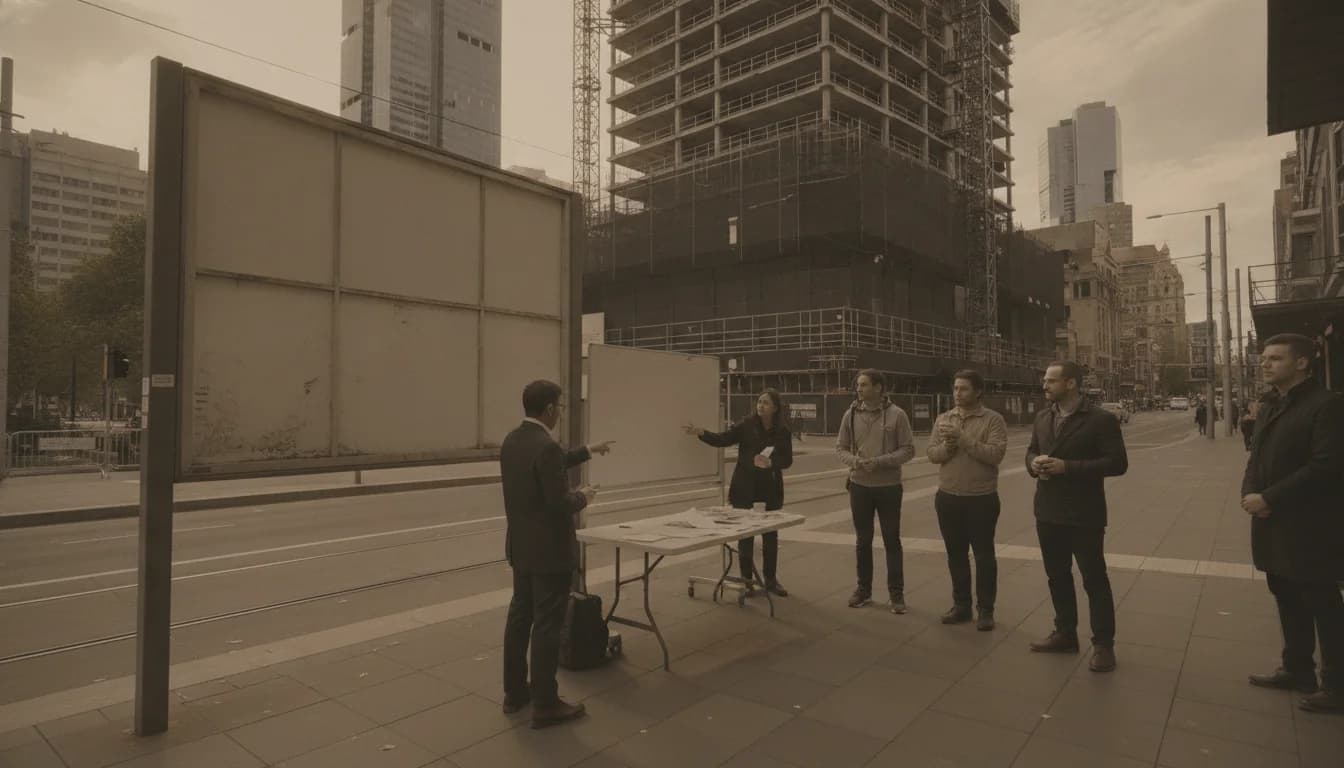
Amendment C466melb has moved through its public exhibition phase and is now poised for final consideration by City of Melbourne authorities. Melbourne Headlines has tracked the progression of Melbourne Planning Amendment C466melb as a data-driven signal of how the city keeps its planning framework clear, current, and usable for property owners, developers, and residents alike. The amendment’s public lifecycle began with formal exhibition in April 2026 and will culminate in a Future Melbourne Committee decision later in 2026, marking a tangible moment for local planning governance and the market’s response to administrative updates. The following report provides a precise, dated account of what happened, why it matters, and what comes next. Amendment C466melb entered public exhibition on April 9, 2026, with the Future Melbourne Committee set to consider submissions at its August 18, 2026 meeting, according to Participate Melbourne. (participate.melbourne.vic.gov.au) The same page confirms that submissions could be viewed and accessed during the exhibition window, and that key dates for the process were published as part of the amendment’s official timeline. (participate.melbourne.vic.gov.au)
This opening fact anchors the piece in a verifiable, published timeline and signals to readers the exact event window and the upcoming decision date that will drive subsequent market and policy analysis. The public record confirms that the exhibition ran in spring 2026, and that a formal committee hearing was scheduled for mid-August 2026, rooted in the amendment’s archival timeline and the city’s engagement portal. For readers seeking primary sources, the City of Melbourne’s Participate Melbourne portal provides the official amendment overview and the accompanying explanatory materials. (participate.melbourne.vic.gov.au)
Opening paragraph (continued) Public engagement on Amendment C466melb has long been part of Melbourne’s systematic approach to planning scheme updates. The amendment is designed to introduce minor administrative changes to the Melbourne Planning Scheme—adjusting zone and overlay schedules, maps, and an incorporated document to improve clarity and usability. The language on the participating portal emphasizes that these modifications are administrative in nature, intended to reduce the regulatory burden and eliminate redundancies, rather than to alter strategic planning directions. This distinction matters for market participants who rely on consistent policy expectations while benefiting from improved clarity in the day-to-day application of zoning and overlays. The city’s documentation also underscores that the changes are not intended to alter the scheme’s strategic direction, but to fix errors and improve the overall functioning of the planning framework. (participate.melbourne.vic.gov.au)
What Happened
Exhibition timeline and public participation
The accompanying exhibition window for Amendment C466melb ran from April 9, 2026 to May 11, 2026, with formal submissions due by May 11, 2026. This timeline is stated directly in the Explanatory Report accompanying the amendment and is reinforced in the amendment’s overview materials. The Explanatory Report expressly notes that submissions must be received by Monday, May 11, 2026, and it provides submission channels including online submission through the city’s engagement hub, email, post, or in-person delivery. This creates a traceable window in which stakeholders could engage with the proposal before it advanced to formal assessment and hearings. (hdp-au-prod-app-com-participate-files.s3.ap-southeast-2.amazonaws.com) The same documentation confirms that the amendment’s panel and hearing schedule will be established in line with ministerial directions, with a path toward a panel hearing in the October 2026 timeframe following a directions hearing in September 2026. This sequence is consistent with Victoria’s planning framework for C amendments and panel processes. (hdp-au-prod-app-com-participate-files.s3.ap-southeast-2.amazonaws.com)
In parallel with the Explanatory Report, the City of Melbourne’s Participate Melbourne platform provides a real-time, public-facing record of the amendment’s key milestones and the land affected. The overview and supporting documents (as listed on the Participate Melbourne site) lay out the precise scope of changes and the geographic footprint of the amendment, including the rezoning of the specific site at 70-90 Chelmsford Street in Kensington to a Public Park and Recreation Zone, and the corrections to the description and mapping of heritage places and a significant tree. The platform further elaborates on the amendment’s aim to improve the clarity, consistency, and usability of the planning scheme, aligning with the Melbourne Planning Scheme Review conducted in 2023 and subsequent updates. These materials illustrate that the engineering of the amendment is as much about administrative precision as it is about land use outcomes. (participate.melbourne.vic.gov.au)
The public record clearly shows a multi-document trail: an overview page detailing the amendment’s scope, an explanatory report outlining the rationale and process, and an official timeline documenting the key dates for notification, exhibition, and future committee consideration. This combination of primary sources is essential for any journalist aiming to verify the amendment’s lifecycle and to provide a source-friendly narrative for readers who want to trace each claim to its origin. For those seeking direct access, the Explanatory Report and the amendment overview pages provide descriptive anchors to the documents that shaped the discussion. (hdp-au-prod-app-com-participate-files.s3.ap-southeast-2.amazonaws.com)
Scope of changes
Amendment C466melb is described by the city as a minor administration amendment—an purposefully modest package designed to fix drafting inconsistencies, update maps and schedules, and remove redundant requirements. The key changes include:
- Changes to advertising sign exemptions and signage terminology to reduce ambiguity.
- Revisions to minor works provisions where a planning permit is not required, removing some “Town planning satisfaction” requirements to streamline processes where appropriate.
- A rezoning for 70-90 Chelmsford Street, Kensington, to Public Park and Recreation Zone to reflect the land’s public ownership and intended use as open space.
- Corrections to the descriptions and mappings of heritage places and a significant tree, aligning the plan with other programmatic updates and consolidating legal accuracy.
These changes are highlighted on the amendment’s overview page and are elaborated in the Supporting Document (August 2025). The explicit aim is to make the scheme easier to use, reduce the burden on applicants and Council staff, and ensure that open space and heritage mapping are correctly represented within the planning framework. The combination of textual corrections and map adjustments ensures that the Central City and Docklands areas, as well as other affected sites, reflect current land use and heritage data. (participate.melbourne.vic.gov.au) The Explanatory Report details that the changes “amend incorrect overlay mapping affecting multiple sites; amend inaccurate descriptions of heritage places in the Schedule to the Heritage Overlay and Heritage Places Inventory March 2022; rezones an individual site; and amendments to drafting to improve clarity and remove redundant content.” This language underscores the amendment’s administrative focus rather than a broad shift in policy or strategic direction. Substantive examples, including the Chelmsford Street rezoning, appear in the Overview and in the Explanatory Report, which together provide a complete, primary-source view of what is being corrected or clarified. (hdp-au-prod-app-com-participate-files.s3.ap-southeast-2.amazonaws.com)
Timeline and process
The amendment timeline shows a multi-phase process consistent with Victoria’s planning framework for C amendments:
- 5 August 2025: The amendment was presented to the Future Melbourne Committee (FMC) and the committee resolved to seek authorisation to prepare and exhibit the amendment. This early milestone indicates the project’s movement from concept to public display. (participate.melbourne.vic.gov.au)
- August 2025 – January 9, 2026: Authorisation from the Minister for Planning, enabling the amendment to proceed to exhibition.
- April 9, 2026 – May 11, 2026: Public exhibition window, during which submissions could be made. This is the core period when stakeholders could comment on the administrative changes and map corrections. The Explanatory Report and the overview page confirm these dates and the submission deadline. (hdp-au-prod-app-com-participate-files.s3.ap-southeast-2.amazonaws.com)
- June–July 2026: The timeline indicates ongoing processes (not all items are shown in every document), culminating in preparations for FMC consideration of submissions.
- August 6, 2026, 2:00pm: The FMC’s agenda papers for the August 18, 2026 meeting would be available, establishing a formal information channel for submissions to be reviewed by elected representatives. (participate.melbourne.vic.gov.au)
- August 18, 2026: FMC meeting to consider submissions, marking the next milestone in a process designed to ensure community input informs decisions about the amendment. (participate.melbourne.vic.gov.au)
- September 14, 2026 (directions hearing) and October 12, 2026 (panel hearing): The Explanatory Report outlines ministerial directions and the hearing schedule, consistent with the standard process for Planning Panel review when submissions require formal consideration. This is captured in the Explanatory Report. (hdp-au-prod-app-com-participate-files.s3.ap-southeast-2.amazonaws.com)
The timeline thus presents a sequence of formal steps: exhibition (April–May 2026), an interim period for submissions and review, and then a formal FMC-driven decision in August 2026, followed by subsequent panel hearings later in 2026. The official materials clearly lay out these steps, offering readers the ability to trace the amendment’s lifecycle from initial presentation to potential final recommendations. (hdp-au-prod-app-com-participate-files.s3.ap-southeast-2.amazonaws.com)
Why It Matters
Clarity, usability, and the administrative update logic
Melbourne Planning Amendment C466melb is a case study in how cities refine a long-standing planning framework without altering strategic policy directions. The amendment’s purpose—“to improve the clarity, consistency and usability of the Scheme”—reflects a broader trend in city governance: prioritizing clear, navigable regulations that reduce ambiguity for developers, property owners, and residents while maintaining policy continuity. The Explanatory Report frames the changes as improvements to drafting and mappings that fix errors and remove redundant content. In practice, this can translate into faster decision-making, fewer delays caused by interpretive uncertainties, and more predictable outcomes for development applications and land-use planning. The public record highlights that the changes are not shifts in policy but enhancements to how the policy is applied and how maps and overlays correspond to real-world sites. This distinction matters to the market and to residents who rely on consistent planning signals. (hdp-au-prod-app-com-participate-files.s3.ap-southeast-2.amazonaws.com)
Impacts on residents, developers, and urban stakeholders
The amendments affecting signage exemptions, minor works, and the Chelmsford Street rezoning have practical implications. For example, changes to advertising sign exemptions and the removal of certain “window display” permit exemptions reduce interpretive ambiguity for businesses and signage operators, potentially expediting minor upgrades and storefront changes that do not require a full planning permit. The removal of some TPS requirements for minor works (where a permit is not required) can lower administrative friction for small improvements, shopfront alterations, and routine building services installations. These kinds of administrative refinements can meaningfully shorten timelines for small-scale projects while preserving planning guardrails for more substantial development activities. The Chelmsford Street rezoning to Public Park and Recreation Zone aligns land use with the site’s public ownership and expected open-space function, which can influence future development and public realm planning in the vicinity. Heritage and environmental mapping corrections ensure that overlay designations reflect the actual properties and landscapes—an outcome that benefits property owners, evaluators, and the public by reducing the risk of misapplied protections or mischaracterized sites. The Explanatory Report and Overview documents together illustrate how these focused adjustments improve practical outcomes for a broad set of stakeholders, not just city staff. (hdp-au-prod-app-com-participate-files.s3.ap-southeast-2.amazonaws.com)
The role of public engagement and transparency
Public engagement is a core feature of Melbourne’s planning system, as reflected in the amendment’s public exhibition and submission process. The Participate Melbourne portal serves as the central repository for information, documents, and submission channels, enabling residents and organizations to access the amendment’s materials and submit feedback digitally. The platform’s role in disseminating information about the amendment—such as the key changes and maps, the submission deadline, and upcoming FMC hearings—highlights how cities are leveraging digital tools to enhance transparency and participation in planning decisions. The combination of the Explanatory Report, the amendment overview, and the online engagement hub provides readers with a transparent, traceable record of what changed, why, and how the public was invited to respond. This bi-directional flow—citizens engaging through the portal and City officers responding through official documents—helps anchor confidence in the process and supports a data-driven analysis of the amendment’s impact. (hdp-au-prod-app-com-participate-files.s3.ap-southeast-2.amazonaws.com)
The broader context: planning amendments as administrative updates
Planning amendments labeled as “C” amendments in Victoria are designed to be precise, limited in scope, and focused on administrative improvements rather than sweeping policy shifts. This is consistent with the Planning Scheme Act framework and the guidance from Planning Victoria about how amendments progress, how notices are published, and how submissions are handled. The general process—notice, exhibition, panel review, and potential Ministerial authorisation—exists across many amendments and frames Melbourne’s approach to maintaining an accurate, legible planning system. The official planning portal provides guidance on amendment processes (including C amendments) and emphasizes that changes should be targeted to improve clarity and usability without altering strategic directions. This alignment with state-level guidance helps readers understand that Amendment C466melb is part of a standardized mechanism designed to keep the city’s planning tools usable for contemporary needs. (planning.vic.gov.au)
A note on climate and heritage considerations
The Explanatory Report includes a climate change consideration section and references mapping adjustments related to heritage overlays. While the changes are described as administrative, the inclusion of climate considerations and heritage protections illustrates how even minor amendments interact with broader city priorities, such as resilience, sustainability, preservation of historic assets, and the careful management of urban form. The presence of a climate change consideration report within the amendment materials underscores Melbourne’s intent to integrate climate risk into planning decisions, even when the primary changes are administrative in nature. This signals to readers that even administrative updates are evaluated for consistency with environmental and resilience objectives—an important signal for investors and developers who rely on long-term project viability in a changing climate. (participate.melbourne.vic.gov.au)
What market participants should watch for in this phase
- The FMC hearing on August 18, 2026, remains a critical inflection point. The decision on submissions could influence the final wording and maps, potentially affecting small-scale development proposals and public-realm planning in the CBD, Docklands, and nearby precincts.Market participants should track FMC agenda papers released on August 6, 2026, to understand the submissions’ themes and any staff recommendations. (participate.melbourne.vic.gov.au)
- The panel hearing timeline, including the directions hearing and panel hearing (September 14, 2026, and October 12, 2026, respectively), will be essential for understanding the final decision process. While this is a standard sequence for C amendments, it remains a focal point for stakeholders who submitted comments or who are waiting to understand how the changes will be formalized in the planning scheme. (hdp-au-prod-app-com-participate-files.s3.ap-southeast-2.amazonaws.com)
What's Next
Next steps in the process
The formal path forward includes the following sequence of events, all anchored to the official documentation:
- Finalisation of the FMC’s consideration of submissions on August 18, 2026, as scheduled by the amendment’s overview and the FMC agenda materials. This meeting will determine whether submissions lead to adjustments in the amendment’s provisions, maps, or incorporated documents before final ministerial authorisation. (participate.melbourne.vic.gov.au)
- If required, subsequent planning panel directions and hearings (starting with a directions hearing in September 2026 and a panel hearing in October 2026) will follow ministerial and planning-provision guidelines. The Explanatory Report lists these steps as part of the standard process for ministerial-directed planning scheme amendments. Stakeholders should expect further updates and docket items as the process advances. (hdp-au-prod-app-com-participate-files.s3.ap-southeast-2.amazonaws.com)
Timeline synchronization with regulator guidance
Victoria’s planning framework emphasizes a clear sequence: public exhibition, written submissions, FMC consideration, and panel hearings as needed. The Explanatory Report explicitly notes panel hearing timelines and the minimum procedural steps, including the possibility that the Minister for Planning may direct the process and that the panel would review submissions. For readers and reporters, this underscores that the amendment’s final shape will emerge from a formal, public process, not from an isolated city staff decision. This is a key point for transparency and for readers who want to understand how a minor administrative amendment progresses from exhibition to final form. (hdp-au-prod-app-com-participate-files.s3.ap-southeast-2.amazonaws.com)
Closing
Melbourne Planning Amendment C466melb demonstrates how a city maintains clarity and efficiency in its planning framework through targeted, administrative updates. By fixing mapping errors, clarifying heritage and signage provisions, and rezoning a specific open-space site to reflect its public status, the city aims to reduce confusion and streamline approvals for minor changes while preserving core policy directions. Public engagement ran from April 9, 2026, to May 11, 2026, with further opportunities to respond as the FMC reviews submissions in August 2026 and a panel review follows later in the year. The official record shows a rigorous, rule-based process designed to balance efficiency with community input—a balance that matters for investors, developers, and local residents seeking predictable planning conditions in Melbourne’s evolving urban landscape. Readers can monitor the progress through the Participate Melbourne portal and the city’s FMC pages, where official documents and agendas are posted for ongoing public scrutiny. The amendment’s trajectory will shape not only the administrative functioning of the Melbourne Planning Scheme but also the practical realities of projects touching signage, minor works, heritage protection, and open space planning across the city.
Melbourne Headlines will continue to follow Amendment C466melb as it moves toward final consideration and any enacted changes, reporting the results with the same data-driven rigor readers expect from a neutral, metrics-focused newsroom. For readers and stakeholders seeking primary-source context, the official documentation provides the backbone for any future reporting and analysis. As this process unfolds, we will monitor how the FMC’s decisions translate into practical outcomes for developers, property owners, and the neighborhoods touched by the amendment.
The data are clear, the process is transparent, and the next phase will reveal how administrative refinements translate into real-world planning outcomes for Melbourne.
About the author
Callum Rhodes
Callum Rhodes is a senior correspondent at Melbourne Headlines, reporting on business, property, and the Victorian economy.