Food & Drink
Queen Victoria Market Guide: Hours, Stalls, What to Buy
Queen Victoria Market opening hours, the deli hall and sheds explained, what to buy and eat, plus the market manners locals expect from visitors.
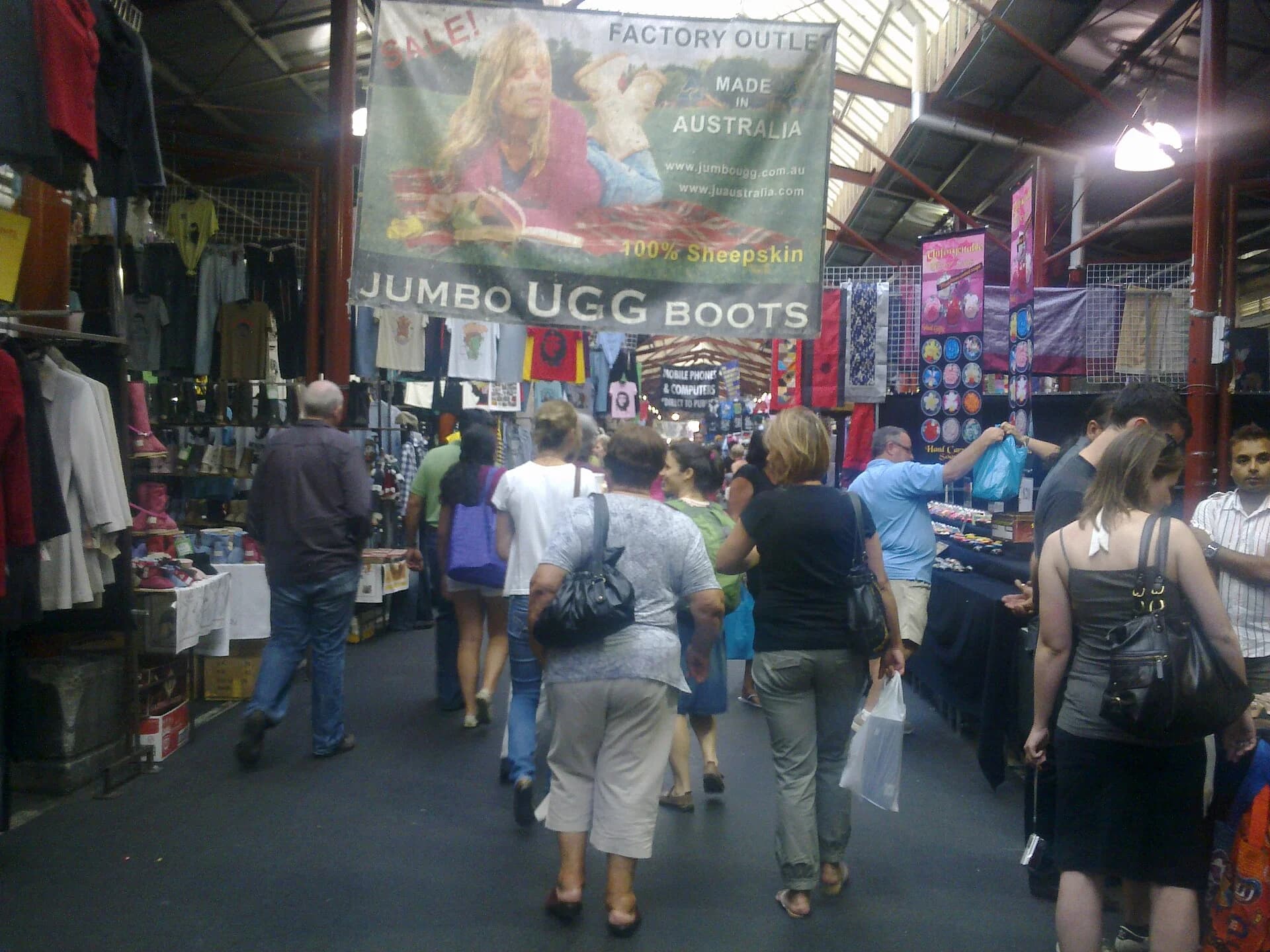
Melbourne has newer food halls and fancier providores, but for nearly a century and a half the city has done its serious shopping under the same iron sheds on the corner of Elizabeth and Victoria Streets. Queen Victoria Market opened on this site in 1878, and according to qvm.com.au it now hosts more than 600 small businesses across seven hectares, making it the largest open-air market in the Southern Hemisphere. It is part working food market, part social institution, and, on a busy Saturday morning, part contact sport.
It is also, still, the best single place in Melbourne to understand how this city actually eats.
When to go
The market keeps farmer's hours, and getting them wrong is the classic tourist mistake. Trading days are Tuesday, Thursday, Friday, Saturday and Sunday. On Tuesday, Thursday and Friday the food sections open at 6am and wind down at 3pm; Saturday runs 6am to 4pm, and Sunday is a gentler 9am to 4pm start. The specialty and general merchandise stalls open from 9am. Monday and Wednesday the market is closed, with one glorious exception: the seasonal Wednesday Night Market, a summer and winter institution of street food, bars and live music running into the evening. Public holidays mostly mean closed doors, so check qvm.com.au before building a morning around it.
Locals will tell you the sweet spot is a weekday before 10am, when the produce is freshest and the aisles still belong to shoppers rather than tour groups. Late afternoon has its own logic. In the last hour of trade, fruiterers and fishmongers start calling discounts rather than cart stock home, and bargain hunters circle accordingly.
Finding your way around
The market splits into distinct territories, and each has its own character. The open sheds, labelled A through F, hold the fruit and vegetable traders, a riot of produce, banter and competing prices. The Meat and Fish Hall, under the handsome 1880s facade on Elizabeth Street, is where butchers, poulterers and fishmongers do brisk trade from glass cabinets.
The Dairy Produce Hall, most people just say deli hall, is the market's jewel box: cheesemongers, smallgoods specialists, olive stalls, bakers and delicatessens run by families who have held the same spot for generations. On the Victoria Street side, the food court and surrounding laneways handle coffee and hot food. The remaining sheds house general merchandise, everything from leather goods and opals to sheepskins, souvenirs and phone cases, of frankly variable romance.
Getting there is easy: the market sits just inside the northern edge of the Free Tram Zone, so any tram up Elizabeth Street delivers you to the door without a ticket.
What to actually buy
Start with the things Melburnians queue for. The hot jam doughnuts from the American Doughnut Kitchen van, a fixture since the 1950s, are non-negotiable; they are made to order, molten inside, and cost pocket change. A borek from the deli hall's Turkish bakers makes a proper market breakfast for a few dollars. Grab a bratwurst from the long-standing sausage stall if the queue does not frighten you.
For the kitchen, the deli hall rewards slow browsing: buy cheese where they offer you a taste, and ask the smallgoods counters what is cured in-house. In the open sheds, do a full lap before buying anything. Prices for the same strawberries can differ shed to shed, and the traders expect comparison shopping; it is half the culture of the place. Seafood here is some of the best-priced in the city, which is why you will see restaurant chefs wheeling trolleys through at dawn.
Souvenir hunters should be selective. The general merchandise sheds contain both genuine Australian-made goods and container-loads of imported novelty, often side by side. Ugg boots, opals and Indigenous art all deserve a question about provenance before your wallet comes out.
Eating there and market manners
You can assemble the best cheap lunch in central Melbourne without leaving the site: doughnuts, a wedge of cheese, olives, bread, fruit, and strong coffee from one of the market cafes. Benches and the String Bean Alley container stalls give you somewhere to perch.
A few unwritten rules keep things friendly. Do not handle the produce unless invited; point, and the trader will pick for you, and generally picks well. Cash still moves fastest at the busy stalls even though cards are accepted nearly everywhere. Bring a bag or buy one of the market trolleys the regulars swear by. And if a trader shouts a price at you as you pass, that is not aggression, it is theatre. Shout back, or at least smile.
Worth knowing
The market is in the middle of a long-running renewal program, so expect the odd hoarding and relocated stall as heritage sheds are restored. The traders trade on regardless, as they have through depressions, wars and one pandemic. That continuity is the real attraction. Plenty of cities have markets; very few have one that has fed the same neighbourhood since 1878 and still smells of coffee, brine and doughnut sugar before 7 in the morning.
Cover image: S3074865, public domain via Wikimedia Commons.
About the author
Priya Nair
Priya Nair covers culture, food, and city life for Melbourne Headlines, from the laneways to the suburbs.