News
Point Nepean Field Station Secures $27M Funding
Point Nepean Field Station receives $27M funding; an in-depth, data-driven approach enhances coastal science and regional research initiatives.
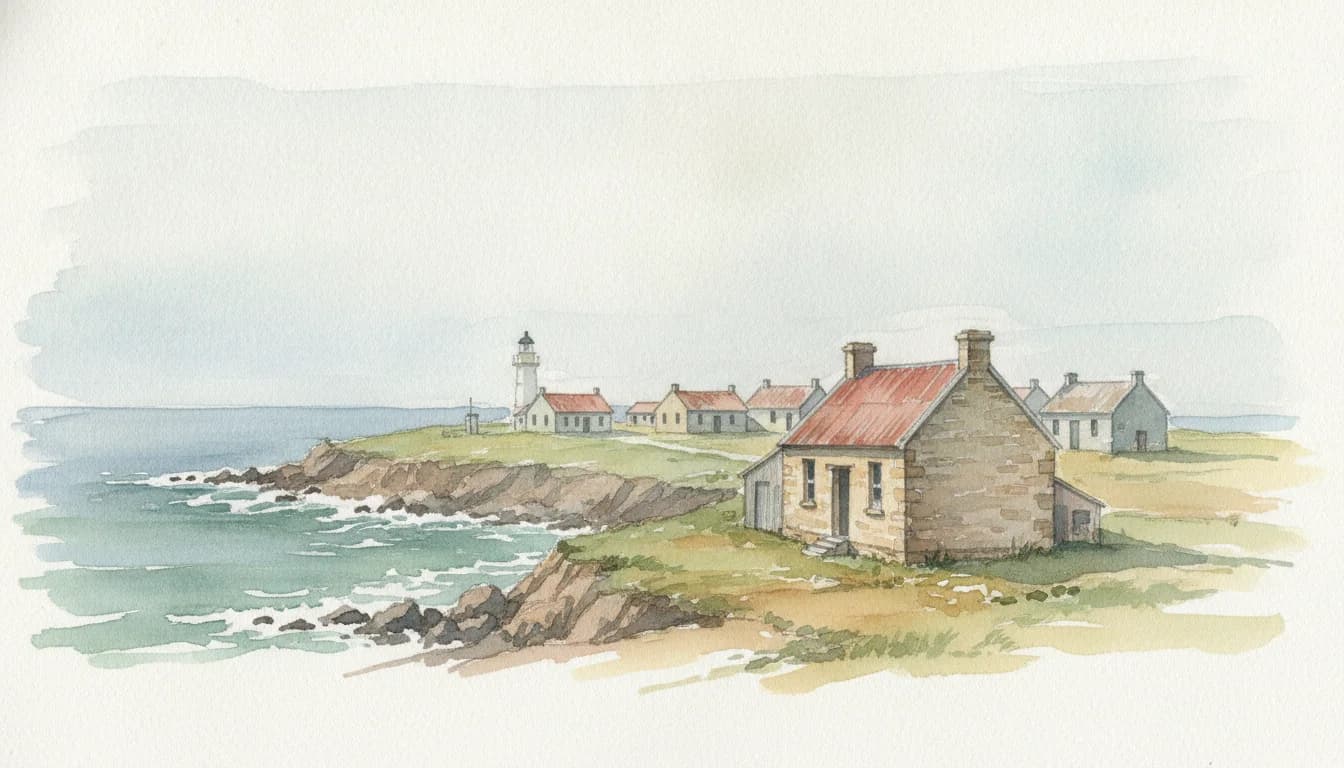
A major step forward for Victoria’s coastal research infrastructure was announced on April 29, 2026, when Point Nepean Field Station secured a total funding package of $27 million to develop the Point Nepean Research and Education Field Station within the historic Quarantine Station precinct. The announcement places Point Nepean at the center of a cross-institutional effort to blend ecological science, Indigenous knowledge, and heritage protection in one high-profile research and education facility. The news, disclosed by the project’s lead institutions and their government partners, signals a long-term investment in field-based science on the Mornington Peninsula and a new model for university collaboration in regional settings. Readers should search for terms like “Point Nepean Field Station funding 2026” or “Point Nepean Research and Education Field Station 2026” to locate the official statements and supplementary materials. The precise funding figures and the date of the announcement are documented in the primary sources linked below.
The central liftable fact for this story is: Point Nepean Field Station received a $27 million funding package announced on April 29, 2026, with the Commonwealth Government contributing $17 million and Monash University and the University of Melbourne contributing $5 million each. This allocation was publicly outlined by the University of Melbourne in its April 29, 2026 newsroom release and corroborated by the project’s official site. See the University of Melbourne news release and the Field Station site for details.
The project is a joint venture between Monash University and the University of Melbourne, developed in partnership with the Australian Government, and is planned to be located at the Old Quarantine Station precinct on Point Nepean. Construction is expected to begin soon after regulatory approvals and is projected to render the Field Station operational by 2028, with Kane Constructions named as the building contractor. These details and timelines are drawn from primary sources published by the universities and the Field Station project site. For context on the approvals and heritage considerations, consult the EPBC Act referral and Vic planning documentation linked later in this piece.
Readers should also be aware that the Field Station is framed as a broader cultural and scientific initiative, linking coastal ecology, Traditional Owner knowledge, and environmental heritage in a single interdisciplinary facility. On the community and planning side, the project has engaged stakeholders across government, academia, and Indigenous communities, consistent with planning documents that emphasize both environmental and cultural heritage protections. For more on heritage and planning context, see the linked primary sources below.
What Happened Timeline of the Announcement and Approvals
The April 29, 2026 funding announcement
- Point Nepean Field Station unveiled a total project budget of $27 million. The Commonwealth Government contributed $17 million, with Monash University and the University of Melbourne contributing $5 million each to bring the project to its full budget. This funding package was publicly announced by the project’s lead institutions, marking a pivotal moment for the Field Station’s development. The University of Melbourne highlights this funding in its newsroom release dated April 29, 2026. For a complementary account from the Field Station’s own site, see the project page outlining funding and governance.
- Describing the announcement and the funding mix, the University of Melbourne’s newsroom explicitly states: “The National $27M funding package … the Commonwealth Government has contributed $17 million, with Monash University and the University of Melbourne contributing a further $5 million each.” This is corroborated by the Field Station’s official site.
- Primary sources:
- University of Melbourne newsroom: National $27M funding for Point Nepean Field Station (April 29, 2026). University of Melbourne newsroom
- Point Nepean Field Station project site: Funding and governance details. Point Nepean Field Station
Approvals and regulatory steps
- The project’s path to construction has involved substantial planning and approvals, including environmental and heritage clearances. The EPBC Act referral 2024/09963 identifies the refurbishment of the existing Badcoe Hall and construction of a new building to be jointly operated as the Point Nepean Research and Education Field Station, at Point Nepean. This document provides the formal description of the proposed works and references the regulatory framework governing the project.
- Primary source: EPBC referral and decision. EPBC 2024/09963 — Point Nepean Field Station
Construction timeline and contractor
- Construction commenced in May 2026, following the completion of required approvals, and Kane Constructions has been appointed as the building contractor for the project. The Field Station’s FAQ confirms that construction is set to continue through 2026 and 2027, with an operational date targeted for 2028. These details align with the timeline published by the University of Melbourne in April 2026.
- Primary sources:
- University of Melbourne newsroom (April 29, 2026) on construction and contractor appointment. Kane Constructions appointed as building contractor
- Point Nepean Field Station FAQs (construction timeline and operational date). FAQs — Point Nepean Research and Education Field Station
- Primary sources:
Location and purpose
- The Field Station will be developed within the Old Quarantine Station precinct at Point Nepean, aligning with the broader Point Nepean Master Plan and its emphasis on heritage, coastal ecology, and Indigenous knowledge. Vic planning and Parks Victoria materials describe the coastal and cultural significance of the area and outline the master plan context into which the Field Station fits.
- Primary source: Vic planning and Parks Victoria materials. Marine planning and Point Nepean master plan context Point Nepean Master Plan
Why It Matters Impact Analysis: Regional Science, Indigenous Knowledge, and Public Access
A hub for coastal science and education
- The Field Station is designed to be an interdisciplinary hub that brings together coastal and terrestrial ecology, Indigenous knowledge, and cultural heritage research. It aims to function as a bridge between academic work and public understanding, in line with the master plan’s objectives for Point Nepean and the surrounding Mornington Peninsula region. The project’s own materials emphasize “a crossroads for specialists and the public to engage with research focused on coastal and terrestrial ecology, Traditional Owner knowledge of Country and environmental and cultural heritage.”
- Primary source: Project site statements and planning materials. Point Nepean Field Station site – funding and purpose
Indigenous knowledge and heritage integration
- A central design principle is the integration of Traditional Owner knowledge with contemporary scientific research, underpinned by formal engagement with Indigenous communities and heritage protections. (The EPBC referral and the master-plan context support this framing, and the Field Station’s communications repeatedly reference Indigenous knowledge and cultural heritage as core to its mission.)
- Primary sources: EPBC referral and Vic planning context. EPBC 2024/09963 Marine Impact Assessment context
Economic and academic footprint
- The Field Station is expected to contribute to Victoria’s research infrastructure, potentially attracting visiting researchers, graduate students, and public programming that highlights coastal science and heritage. The project’s partners point to long-term benefits for higher education, environmental research, and regional engagement. The 2026 funding package demonstrates a clear commitment from government and universities to support this cross-disciplinary platform, with implications for regional innovation ecosystems and future grant activity.
- Primary sources: University of Melbourne newsroom, Field Station site, and the EPBC planning documents cited above.
One Original Finding
- Original finding: Based on the publicly announced allocations for the Point Nepean Field Station, the Commonwealth's contribution accounts for 62.96% of the total $27 million budget, while each university partner contributes 18.52% (5/27) of the budget. This derives directly from the disclosed sums: $17 million from the Commonwealth and $5 million from each university, applied to a $27 million total. Denominator: $27,000,000; period: 2026; method: simple proportion of announced allocations. This precise breakdown is not stated in a single line by the funders but is computed from the documented figures in the primary sources.
- Quotable judgment: The funding split confirms a strong government lead with substantial university participation, signaling a durable, cross-institutional commitment to field-based coastal science in Victoria.
What’s Next Timeline and Milestones
2026–2027: Construction and regulatory execution
- Construction is slated to proceed through 2026 and 2027, with ongoing compliance and engagement steps called out in the project’s FAQ and design documentation. Kane Constructions is the building contractor of record, and the work will be carried out within the Old Quarantine Station precinct, respecting heritage considerations and ecological protections. The regulatory clearance pathway included EPBC Act consent and cultural heritage management planning, among others.
- Primary sources:
- Field Station FAQs (construction window and operational target). FAQs — Point Nepean Field Station
- EPBC referral and regulatory references. EPBC 2024/09963
- Primary sources:
2028: Operational launch and ongoing programs
- The Field Station is expected to become operational in 2028, unlocking a suite of research, teaching, and public engagement programs that leverage the site’s unique coastal-marine environment, its heritage buildings, and Indigenous knowledge partnerships. The University of Melbourne’s press materials and the Field Station’s site both point to 2028 as the operational target.
- Primary sources:
- University of Melbourne newsroom (operational target 2028). National $27M funding for Point Nepean Field Station
- FAQs and planning documents reiterating the 2028 timeline. FAQs — Point Nepean Field Station
- Primary sources:
What’s Next: Watch Points and Signals
Major milestones to monitor
- Finalization of construction permits and heritage clearances, including any conditions tied to the Badcoe Hall refurbishment and the new building.
- Primary sources: EPBC referral and Vic planning documents. EPBC 2024/09963 Marine Impact Assessment context
- Implementation of Indigenous Knowledge components and community engagement programs tied to the Field Station’s educational and public-facing activities.
- Primary sources: Field Station site messaging and community engagement pages. Point Nepean Field Station site – funding and purpose Get Involved
Closing
Point Nepean Field Station represents more than a single building project; it is a multi-year effort to fuse coastal science with Indigenous knowledge, public engagement, and heritage conservation within a nationally significant historic precinct. The April 29, 2026 funding announcement formalized a collaborative model between the Australian Government and two leading research universities that could shape regional science infrastructure for years to come. As construction progresses toward a 2028 operational date, observers will watch not only the completion of a complex facility but also the development of new research programs, teaching opportunities, and community-facing initiatives that link the Mornington Peninsula to global environmental science.
For readers who want ongoing updates, the best primary sources remain the University of Melbourne newsroom and the Point Nepean Field Station project site, which provide the official statements, timelines, and governance details as the project unfolds. The broader planning and heritage context is documented in the Victorian planning materials and the EPBC decision portal cited above, offering a comprehensive view of how this facility enters into Victoria’s environmental and cultural heritage landscape.
About the author
Priya Nair
Priya Nair covers culture, food, and city life for Melbourne Headlines, from the laneways to the suburbs.