Transport
Melbourne Tram Guide: myki Fares and the Free Tram Zone
How Melbourne's trams work: myki cards and 2026 fares, the Free Tram Zone boundaries, touch-on rules, inspector traps and the routes worth riding.
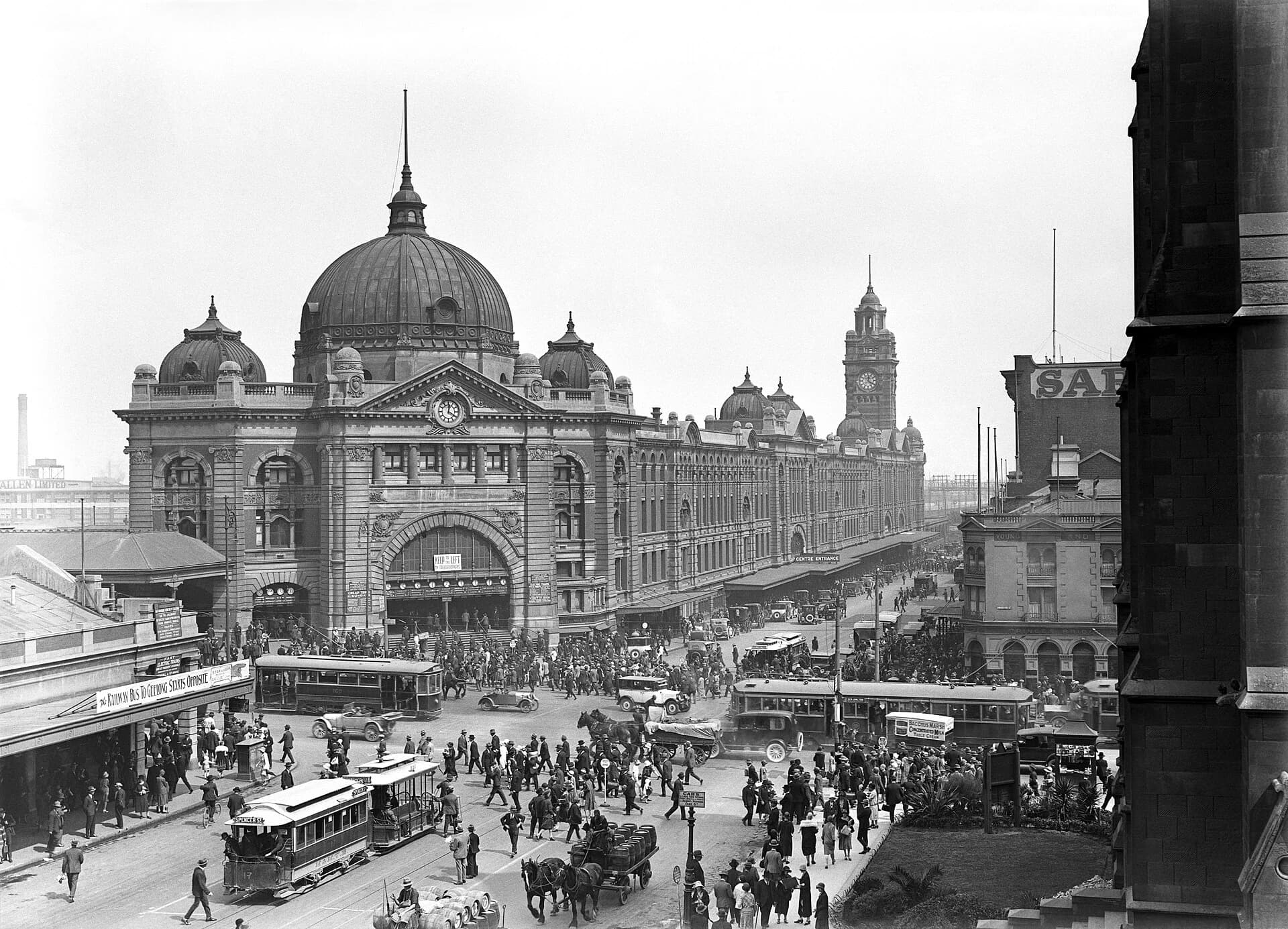
The green and gold W-class rattlers get the postcards, but Melbourne's trams are not a heritage act. They are how the city actually moves. Yarra Trams puts the network at more than 250 kilometres of double track, 24 routes and about 1,600 stops, which makes it the largest operating tram network in the world. For a visitor, that scale is good news and bad news at once. Good, because a tram will take you almost anywhere worth going in the inner city. Bad, because the ticketing rules trip up newcomers constantly, and the fines are real.
Here is how it all works, from myki cards to the famous free zone in the middle of town.
How myki works
Victoria's public transport ticket is myki, a stored-value smartcard that covers trams, trains and buses across Melbourne. You cannot buy a paper ticket on board, and drivers do not sell anything. You need a card before you ride, or a phone that can stand in for one.
A physical full fare myki costs $6 (concession $3), and that is just the card. Travel credit is loaded separately, either as myki Money, which deducts a fare each time you travel, or as a myki Pass for longer stays. Cards are sold at 7-Elevens, staffed stations and ticket machines. Android users can skip the plastic entirely with Mobile myki in Google Wallet, and Victoria began switching on contactless bank card payments during 2026, though the rollout started on a handful of train lines, so do not assume your credit card works on a tram just yet. Transport Victoria's fares page keeps the current state of play.
The pricing itself is simple once you see the shape of it. According to Transport Victoria, a Zone 1+2 fare in 2026 is $5.70 for two hours of unlimited travel, and the daily cap is $11.40, after which everything else that day is free. Weekend travel caps lower again. One genuine quirk of 2026 is worth knowing: the state government has made all public transport half price from 1 June 2026 until 1 January 2027, applied automatically when you touch on, which cuts that daily cap to $5.70.
Touch on, and when not to
On trams, you touch on at the green myki reader as you board. Here is the part that surprises people: you do not touch off a tram unless your whole trip is within Zone 2, which as a visitor it almost never is. Touch on, ride, get off. On trains you touch on and off at the gates; on buses, touch on as you board.
Ticket inspectors work in plain clothes and board in groups, usually mid-journey. They are polite, they are unmoved by tourist excuses, and the penalty fare runs well past a hundred dollars. Given a day of unlimited travel costs less than a takeaway lunch, it is not a gamble worth taking.
The Free Tram Zone
The Free Tram Zone is exactly what it sounds like: within the central city, every tram is free, for everyone, with no ticket at all. The zone covers the CBD grid and Docklands, bounded roughly by Spring Street in the east, Flinders Street and the river in the south, La Trobe and Victoria Streets in the north, and the Docklands waterfront in the west. Queen Victoria Market sits inside it, and so do Federation Square, Bourke Street Mall, Parliament and Southern Cross Station.
The rule to remember is blunt. Do not touch on at all if your trip starts and ends inside the zone. Touching on tells the system you are travelling, and you may be charged. The moment you ride past a zone boundary, though, you need a valid myki, and inspectors concentrate exactly at those edges. Signs at stops and a recorded announcement on board mark where the free zone ends.
For a first-time visitor, the Free Tram Zone is the best free attraction Melbourne has, better than any lookout or laneway, because it turns the whole city centre into a hop-on, hop-off circuit that costs nothing.
The City Circle and routes worth knowing
Route 35, the City Circle, is the tourist special: restored heritage trams looping the CBD fringe with recorded commentary, free like everything else in the zone. It is slow and often crowded, and locals never use it, which is rather the point.
A few workhorse routes reward a visitor. Route 96 runs from East Brunswick through the city to St Kilda Beach, probably the single most useful line in Melbourne. Route 86 heads up High Street through Northcote and Thornbury, and route 109 rolls out to Port Melbourne near where cruise ships dock. Trams run frequently from early morning until around midnight, with a 24-hour Night Network pattern on weekends.
A few local habits
Stand clear of the doors, move into the middle, and give up the fold-down seats near doors for anyone who needs them. At stops without platforms, cars are legally required to stop behind a stationary tram while passengers cross the road, but do not bet your ankles on every driver knowing that. And if you hear a Melburnian complain at length about their tram being late, do not join in. That privilege is strictly reserved for locals.
Cover image: Victoria State Transport Authority, restored by Adam Cuerden, public domain via Wikimedia Commons.
About the author
Harriet Lawson
Harriet Lawson is the editor of Melbourne Headlines, covering the decisions and developments shaping Melbourne and Victoria.