Business
Melbourne Startup Scene 2026: Who's Building What
Melbourne startups in 2026: Everlab's $65m Series A, Phonely, Operata and Fluency, the AI wave, and why global VCs are flying south.
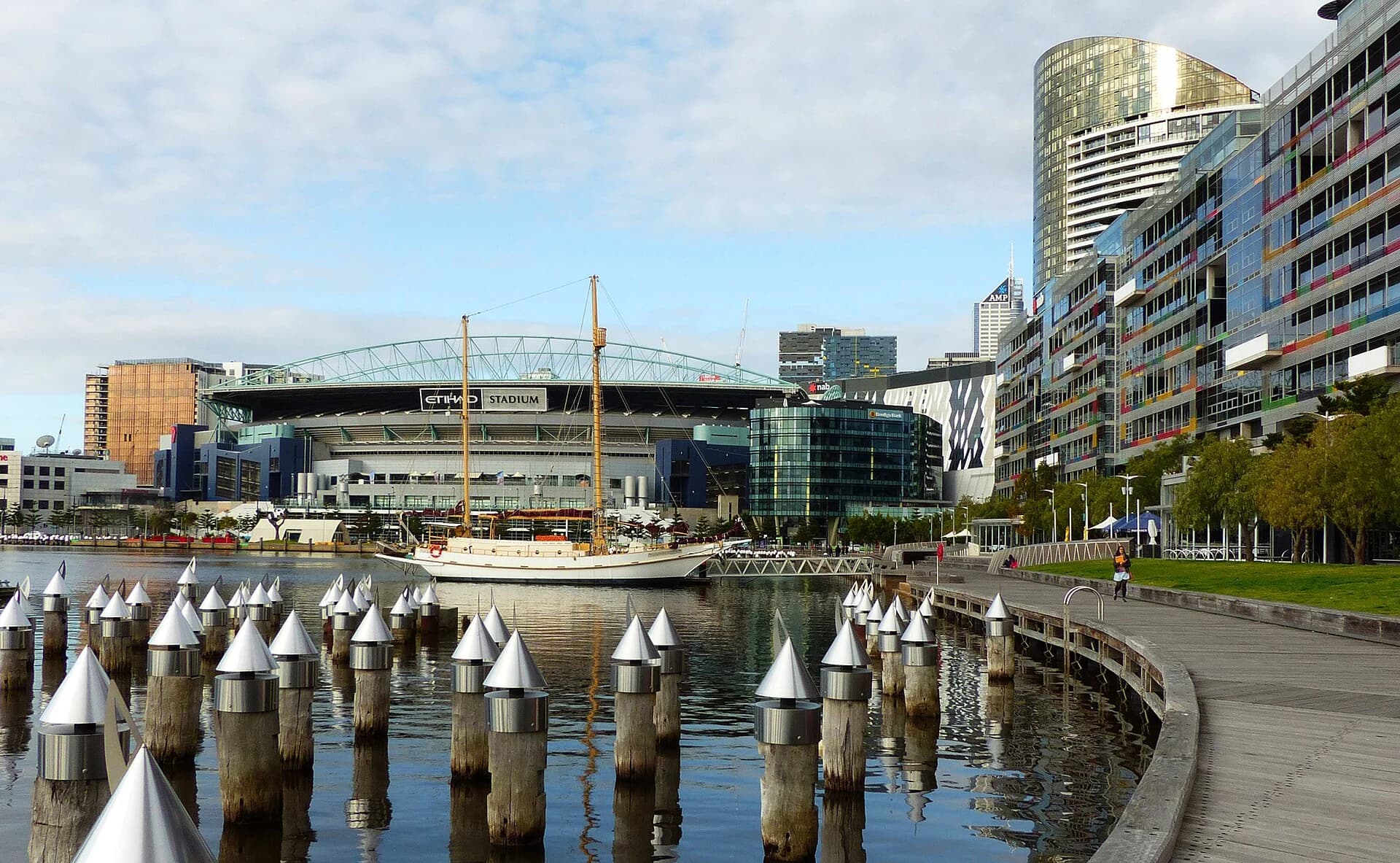
Sydney has the harbour views and the bigger venture funds, but the most interesting cheque-writing in Australian tech this year has been happening 900 kilometres south. Melbourne's startup scene in 2026 is deeper, better funded and more specialised than it has ever been, built on a foundation of health and medical research, a maturing fintech bench, and a wave of AI companies spinning out of the universities. Startup Genome's 2025 Global Startup Ecosystem Report values Melbourne's startup ecosystem at US$18 billion and ranks it 32nd in the world, and the report singled out a 14 per cent lift in venture funding at a time when most ecosystems were shrinking. Victorian startups led the country with about $2.4 billion raised across 2025, and 2026 has kept the pace up.
Healthtech is the headline act
Melbourne has quietly become Australia's healthtech capital. It makes sense when you look at what the city already had: the Parkville biomedical precinct, CSL's global headquarters, the Walter and Eliza Hall Institute, and two research universities pumping out clinicians and engineers in the same lecture theatres.
The deal that defined the first half of 2026 belongs to Everlab, the Melbourne preventative health startup that raised $65 million in a Series A led by AirTree Ventures in June, with European fund Plural, Left Lane Capital, b2venture and Australian Test cricket captain Pat Cummins along for the round. Everlab's pitch is full-stack preventative medicine: diagnostics, screening and ongoing clinical oversight aimed at catching disease years before symptoms. A Series A of that size is rare anywhere in Australia, and it announced that Melbourne healthtech can now attract global growth capital without relocating.
The AI cohort has arrived
The second theme of 2026 is artificial intelligence applied to unglamorous, valuable problems. Phonely, a University of Melbourne spin-out building AI phone agents that answer business calls, closed a $22 million Series A led by US fund Base10 Partners with continued backing from Y Combinator and several of its own enterprise customers. It is the classic Melbourne pattern: university research, an early trip through a US accelerator, then scale.
Accel, the Silicon Valley firm famous as Atlassian's first outside investor, made its own Melbourne bet with a US$6 million seed round into Fluency, which uses AI to automatically map and document business processes, valuing the young company at around $30 million. And a team of former Up bank staffers raised $4 million in pre-seed funding for Extraordinary Money, a wager that agentic AI will change how ordinary people manage their finances. Given that Up itself was built in Melbourne and reshaped Australian consumer banking, ex-Up founders starting something new is the sort of alumni effect healthy ecosystems are made of.
Enterprise software keeps compounding too. Operata, whose platform monitors and improves the performance of cloud contact centres, raised an $11 million Series A led by US growth firm Spectrum Equity at a reported $100 million valuation, with Athletic Ventures, the investor collective backed by professional athletes, joining the round.
The scale-ups that anchor it all
None of this happens in a vacuum. Melbourne's ecosystem sits on a bench of companies that made it: Airwallex, founded in a Melbourne coffee shop in 2015 and now one of the most valuable startups Australia has produced; Culture Amp in employee experience; SEEK and REA Group as the ASX-listed elders whose alumni seed new ventures every year. Cremorne, the old rag-trade pocket across the river from the MCG, has consolidated into the city's de facto tech quarter, dense with scale-up offices and the cafes that feed them.
The connective tissue is institutional. LaunchVic, the state agency charged with growing the ecosystem, funds accelerators, angel networks and founder programs, and its Alice Anderson Fund co-invests in women-led startups. The University of Melbourne and Monash both run commercialisation arms that have become genuine deal sources rather than paperwork factories, as Phonely's trajectory shows.
What is still missing
Honesty requires the caveats. Melbourne remains second to Sydney in total capital, and the gap at growth stage is real: local founders raising beyond Series B still usually need offshore leads, as the Spectrum Equity and Base10 rounds demonstrate. The Startup Genome data that flatters Melbourne's trajectory also shows global ecosystem values fell sharply in 2025, so a rising rank partly reflects others falling. And the state's payroll tax settings and office costs are a recurring gripe among founders choosing where to hire their fiftieth employee.
There is also concentration risk. Healthtech and AI dominate the 2026 funding news; a shift in sentiment toward either sector would leave a visible hole.
The verdict
Still, the direction is unmistakable. Five years ago the standard Melbourne startup story ended with a move to Sydney or San Francisco. In 2026 the capital is flying in the other direction: AirTree, Accel, Base10, Spectrum Equity and Y Combinator all wrote cheques into Melbourne companies within a few months of each other. The city has stopped being Australia's second startup city in any sense that matters to a founder deciding where to build. It has become the place you go to build something that takes a decade, in health, in money, in the boring-but-critical software layer, with the research depth to sustain it.
Cover image: Bernard Spragg. NZ from Christchurch, New Zealand, cc0 via Wikimedia Commons.
About the author
Callum Rhodes
Callum Rhodes is a senior correspondent at Melbourne Headlines, reporting on business, property, and the Victorian economy.