Property
Melbourne Property Market 2026: Prices, Suburbs, Outlook
Melbourne property in 2026: Cotality's $808,486 median, the suburbs still rising, Domain and ANZ forecasts, and what it means for buyers.
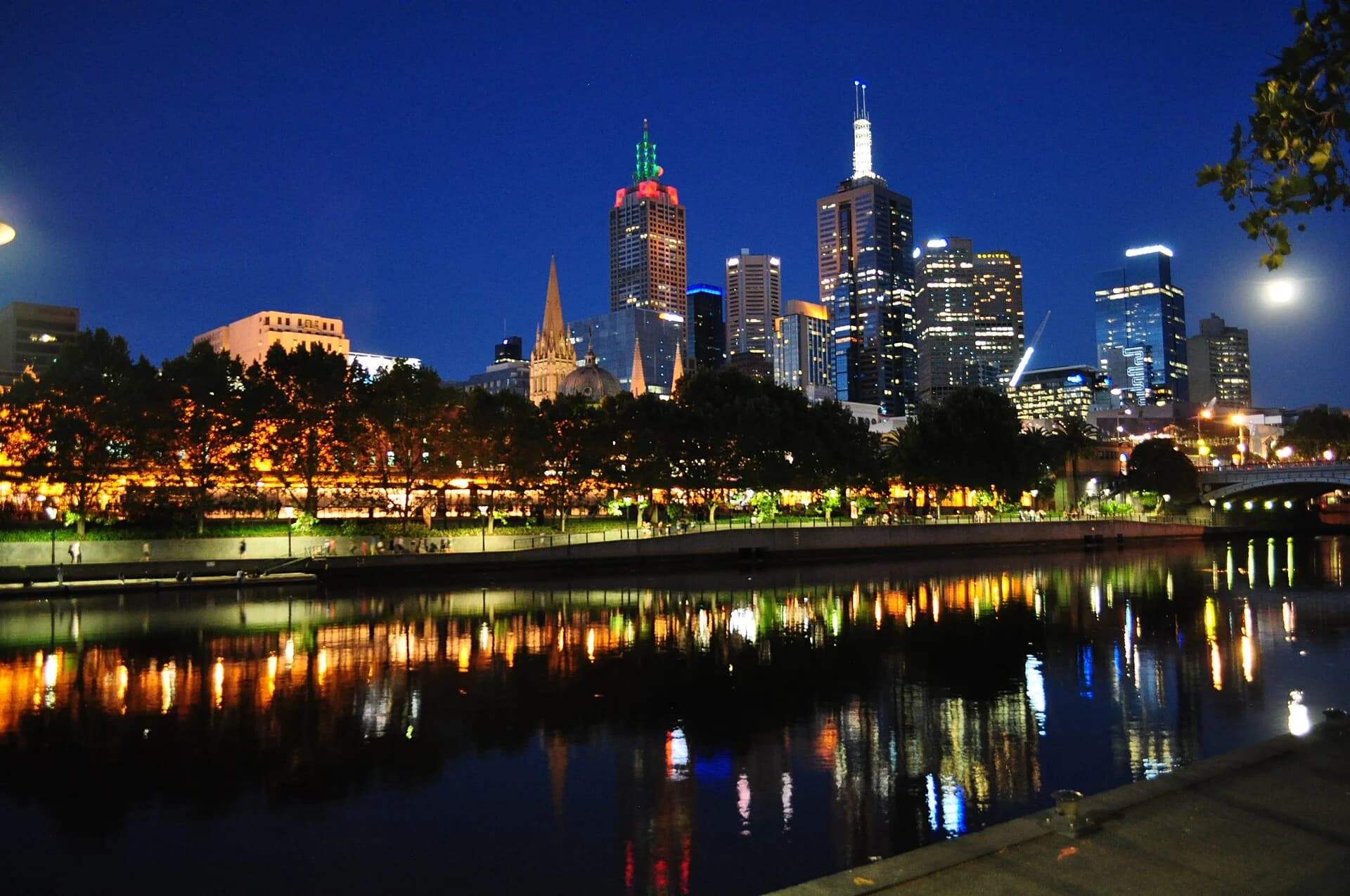
Melbourne's property market has spent the first half of 2026 doing what it so often does: confounding the people paid to predict it. The recovery that gathered pace through 2025, when values rose steadily and auction crowds returned, has stalled. Prices are drifting lower again, forecasters are revising their numbers down, and yet buyer activity in the affordable outer suburbs remains stubbornly strong. If you are trying to work out whether this is a buying window or the start of something worse, the honest answer is that the data supports both readings.
Where prices sit right now
Start with the headline figures. Cotality's June 2026 Home Value Index puts Melbourne's median dwelling value at $808,486, down 2.6 per cent over the quarter. The same index recorded a 1.0 per cent fall for the month and a 0.9 per cent decline over the year, which tells you how quickly the market turned. As recently as late 2025, Cotality (the firm formerly known as CoreLogic) was reporting annual growth above 4 per cent and a median closer to $823,000.
Houses have worn the worst of it. Melbourne's median house value sat at roughly $948,000 in June, and houses fell harder than units over the quarter. That pattern, houses correcting while units hold firmer, has been consistent since autumn, and it reflects where the affordability ceiling actually is. A median unit in Melbourne still changes hands for somewhere in the high $500,000s, which looks almost reasonable next to Sydney.
The suburbs still doing the heavy lifting
Averages hide a lot in a city of five million, and the suburb-level numbers tell a different story from the citywide index. Over the twelve months to February 2026, before the broader market rolled over, Frankston's median house price climbed 14.8 per cent to about $838,000, and Craigieburn rose 9 per cent to around $705,000. Those are not blue-chip postcodes. They are the middle and outer ring, and they moved because that is where buyers who are priced out of Brunswick and Bentleigh actually went.
The west remains the entry point. Wyndham Vale houses have a median around $540,000, while Melton and Melton South sit somewhere between $430,000 and $480,000, which makes them among the cheapest house markets within commuting distance of any Australian capital's CBD. On the unit side, Footscray has been a quiet performer, with medians up about 6 per cent to roughly $540,000. First home buyers targeting these corridors can still use Victoria's stamp duty exemption on purchases up to $600,000, with a concession running to $750,000, details of which are on the State Revenue Office website.
Why the market turned
Three things changed between spring 2025 and winter 2026. Listings rose, giving buyers choice they had not had in years. Victoria's land tax settings kept a steady stream of investor-owned stock flowing onto the market. And the rate relief that fuelled the 2025 recovery had largely been absorbed into prices by Christmas, leaving nothing new to push them higher.
None of that amounts to a crash. What it amounts to is a market where sellers no longer set the terms. Auction clearance rates have softened, days on market have stretched, and agents have gone back to calling buyers rather than the other way around.
What the forecasters say
The forecasting houses are unusually gloomy for Melbourne, and unusually far apart. Domain's financial year 2027 outlook has Melbourne house prices falling between 4 and 8 per cent in the year to June 2027, with units faring better at a decline of 1 to 3 per cent. ANZ Research is milder, pencilling in a fall of around 1.7 per cent for Melbourne across 2026. The gap between those two views is worth dwelling on: it is the difference between a soft patch and a genuine correction, and nobody can tell you today which one you are living through.
What the forecasts agree on is the shape of the market. Units outperform houses. The affordable outer ring outperforms the prestige inner east. Buyers hold the leverage until listings thin out again.
The outlook for buyers and sellers
For all the red ink, Melbourne's position relative to the other capitals is the most interesting part of this story. Sydney's median dwelling remains hundreds of thousands of dollars dearer, and Brisbane overtook Melbourne on price during the pandemic years and never gave the lead back. On sheer value for money, Melbourne is the best buying of Australia's major capitals right now. Population growth is strong, the rental market is drum-tight, and the price gap to Sydney is wider than the income gap justifies.
Sellers face a harder calculation. If Domain's bearish case plays out, waiting a year costs real money on a median house. If ANZ is right, the difference is marginal and selling into a well-presented spring campaign will do fine. Either way, the days of naming your price ended sometime around March.
For buyers with secure incomes and a five to ten year horizon, a falling market in Australia's second-biggest city, with tight rentals and strong migration underneath it, is historically the kind of setup people later wish they had acted on. Just do not expect the bottom to announce itself.
Cover image: Caroline Jones, public domain via Wikimedia Commons.
About the author
Callum Rhodes
Callum Rhodes is a senior correspondent at Melbourne Headlines, reporting on business, property, and the Victorian economy.