Food & Drink
Melbourne Coffee Culture: Why the City Takes It Seriously
How postwar migration, cafe density and a ruthless local palate made Melbourne coffee culture, plus the flat white, the magic and where to drink well.
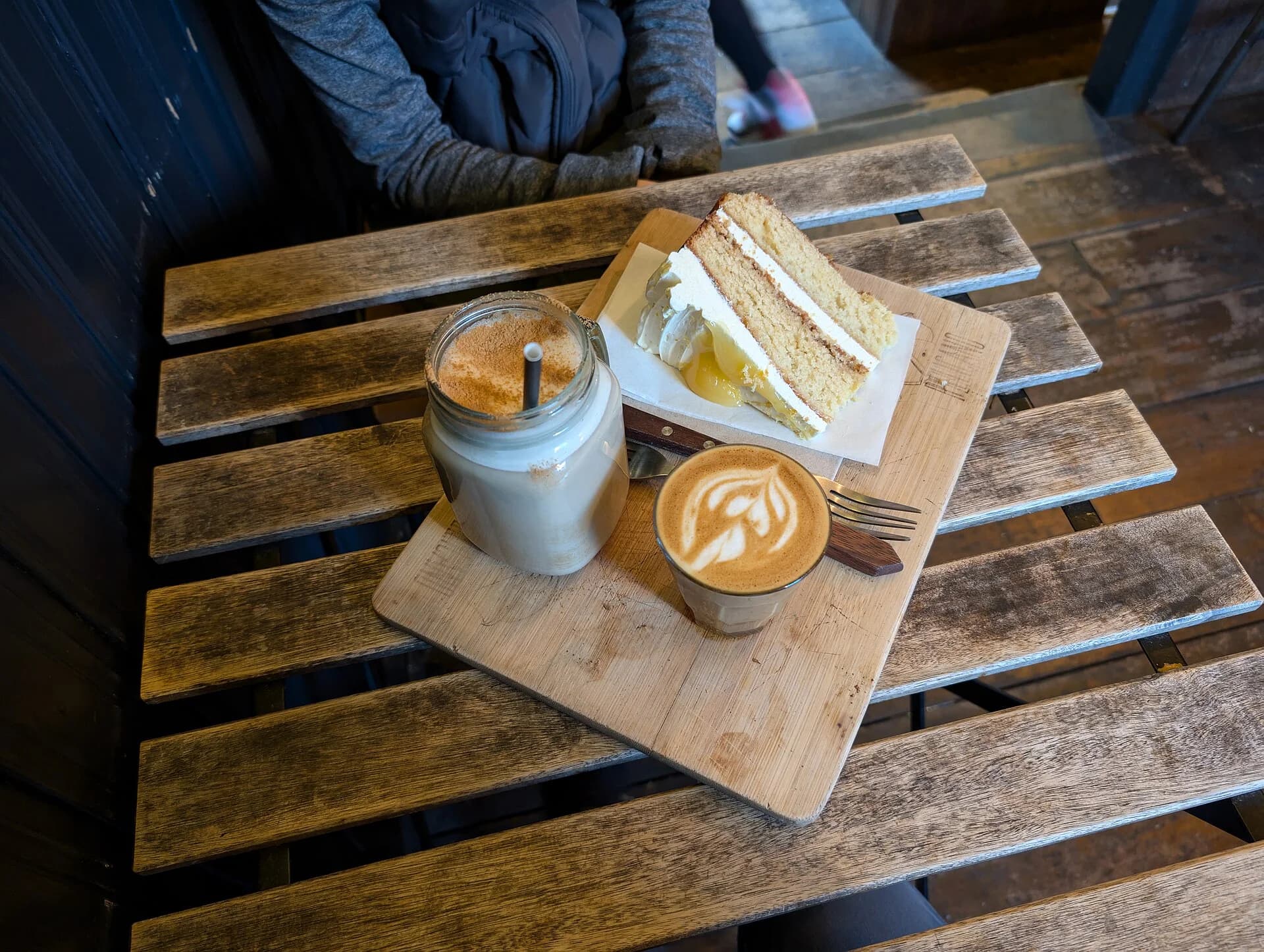
Order a "large coffee" in a Melbourne cafe and watch what happens. The barista will pause, politely, and wait for you to finish the sentence. Flat white? Magic? Long black, batch brew, piccolo? The pause is not snobbery, or not only snobbery. It is the tell of a city where coffee stopped being a beverage decades ago and became something closer to civic infrastructure, with its own vocabulary, rituals and fiercely defended standards.
Visitors sense it within a day. The question is why this city, of all places, takes espresso quite so seriously.
It started at the docks
The short answer is migration. Espresso arrived in Melbourne with the postwar wave of Italian and Greek migrants who settled around Carlton, Brunswick and the city fringe from the late 1940s. Pellegrini's Espresso Bar on Bourke Street, pouring since 1954, still serves coffee from roughly the same chrome-and-mirror fit-out, and Lygon Street's Italian cafes taught two generations of Melburnians that coffee was social glue rather than fuel.
That head start matters. By the time the global specialty coffee movement arrived in the 2000s, Melbourne was not learning espresso from scratch; it was layering single origins, lighter roasts and filter methods on top of fifty years of muscle memory. Local roasters became institutions in their own right, and the cafes they supplied turned breakfast into the city's signature meal.
A city statistically saturated
The scale of the scene is measurable. The City of Melbourne's own Census of Land Use and Employment counted 3,249 cafes, restaurants and bistros operating in the municipality in 2024, and that covers only the central city and its immediate surrounds, not the suburbs where much of the best coffee actually lives. Walk any block in the CBD and the arithmetic checks out; some laneways manage three serious espresso machines within fifty metres of each other.
Density does something interesting to quality. When the cafe across the road is genuinely excellent, mediocrity is a business plan with a short life expectancy. Melburnians are famously unsentimental about voting with their feet, and a cafe that lets its standards slip can watch its morning queue migrate within a month. The most cited proof of local ruthlessness dates to 2008, when Starbucks closed the majority of its Australian stores after failing to win over a market that saw no reason to accept less than its corner cafe already delivered.
The wider world has noticed. When Time Out published its World's 100 Best Coffee Shops list for 2026, Melbourne's Proud Mary and Vacation both made the cut, a routine sort of honour for a city that has come to expect them.
Learning the language
The local dialect rewards a little study. The flat white, whose parentage Melbourne disputes with Sydney and the whole of New Zealand, is the baseline order: espresso and steamed milk, less foam than a latte, no cocoa. The magic is Melbourne's own invention and its shibboleth, a double ristretto with steamed milk in a smaller cup, stronger and silkier than a flat white. Many cafes list it nowhere and make it perfectly.
A long black is not an Americano, and suggesting otherwise is a faux pas; the espresso goes on top of the water, preserving the crema. Batch brew means filter coffee made well and cheaply. And milk has its own politics: oat milk has gone from request to default alternative, and any cafe worth its tiles steams it properly.
Two practical notes. First, coffee here is a daytime economy; many of the best cafes close mid-afternoon, and the espresso-bar nightlife of southern Europe never quite translated. Second, takeaway is universal but sitting down is the point. The twenty minutes with a ceramic cup and eggs on the way is the ritual being sold.
Where to taste the argument
The canonical crawl is short and walkable. In the CBD and its laneways you will find heritage operators like Pellegrini's sharing blocks with specialty rooms pouring single origins. Carlton and Fitzroy carry the Italian legacy and the third-wave vanguard within streets of each other. Roasters such as Market Lane, Seven Seeds, St Ali, Axil and Proud Mary anchor the scene, and their flagship cafes double as informal classrooms; ask what is on grinder two and someone will talk you through it with missionary enthusiasm.
There is no single best cafe in Melbourne, and claiming one in print is the fastest way to start an argument at any dinner table in the city. But the category verdict is safe to state plainly: no other city in the English-speaking world holds its everyday coffee to a higher standard than Melbourne, and the locals regard that not as a boast but as a minimum condition of civilisation.
The real luxury is that you do not need a list. Pick a full cafe on any street, order a magic, and take the seat by the window. In most cities that is a gamble. Here it is just Tuesday.
Cover image: Andy Li, cc0 via Wikimedia Commons.
About the author
Priya Nair
Priya Nair covers culture, food, and city life for Melbourne Headlines, from the laneways to the suburbs.