News
VCAT Approves McDonald's Northcote High Street Restaurant
Data-driven analysis of VCAT's April 2026 approval for McDonald's Northcote High Street restaurant and its market impact.
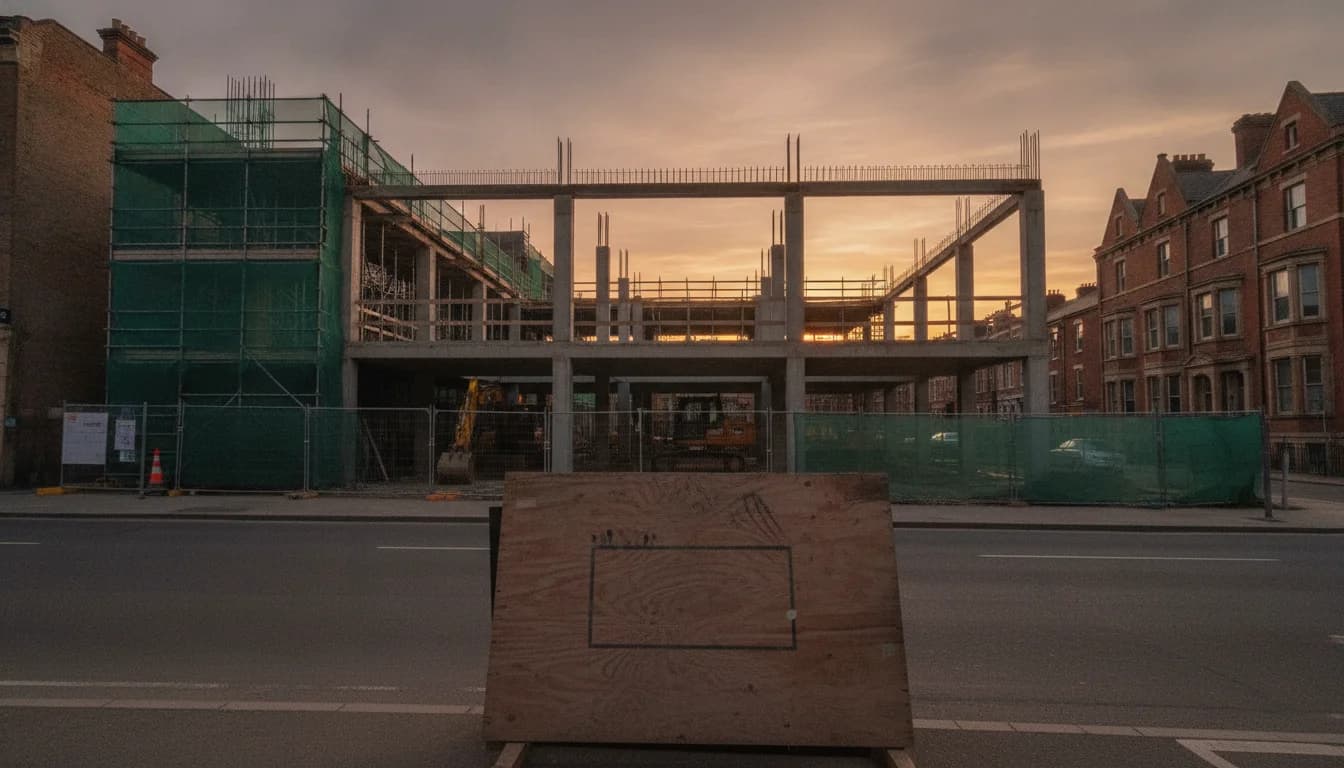
Melbourne Headlines brings you a data-driven update on a high-profile planning case in Melbourne's inner north. On 24 April 2026, the Victorian Civil and Administrative Tribunal (VCAT) issued a decision that cleared the path for a McDonald's Northcote High Street restaurant to proceed, overturning a Darebin City Council ruling that had blocked the project. The site, located at 323 High Street, Northcote, has sat vacant since a fire earlier in the decade and has become a focal point in debates over character, traffic, and the evolving mix of retail on High Street. The tribunal’s ruling marks a turning point for the Northcote High Street corridor, which local observers have described as a hub for boutique businesses and independent retailers as recently highlighted when the street earned recognition as a leading destination in Melbourne’s urban scene. The update matters not only for McDonald's but for the broader market about how planning decisions interact with fast-food brands on prominent urban strips.
The development proposal has been the subject of intense local attention since McDonald’s lodged its planning permit amendment in mid-2025. The Northcote High Street restaurant would replace a previously approved cafe/restaurant use on the site, with the permit amendment removing several conditions and enabling a convenience restaurant format aligned with McDonald’s branding. The planning saga began in July 2025, when the City of Darebin initiated the permit amendment process, and it reached a full hearing at VCAT in mid-April 2026. Local residents and traders organized petitions and submissions, even as authorities weighed the impact on character and amenity in the Northcote Activity Centre. This decision matters for the local economy, for planning precedent, and for the trajectory of “world-class street” development within Darebin’s urban fabric. The official Darebin update confirms the tribunal’s decision and frames the next steps for implementing the amended permit conditions.2 primary sources below provide the official record of these developments, and Melbourne Headlines will continue to monitor how the amended permit conditions unfold on site.
What Happened
Tribunal ruling and its timing
On 24 April 2026, the Victorian Civil and Administrative Tribunal (VCAT) issued its decision regarding 323 High Street Northcote, overturning an earlier Darebin Council decision that had refused an amendment to the planning permit for the site. The Darebin City Council’s own statement notes that the tribunal’s decision sets aside the council’s refusal and directs that the planning permit be amended and reissued. This sequence—council denial followed by a VCAT reversal—establishes the current authorization for a McDonald’s Northcote High Street restaurant at the subject property. The Darebin update confirms the tribunal’s ruling and outlines that the council will work with the applicant and stakeholders to implement the amended permit conditions.2
The decision sets aside Council’s earlier refusal of the application and has directed that the planning permit be amended and reissued. — Darebin City Council, 27 April 2026. (darebin.vic.gov.au)
This outcome follows a period of deliberation that included a VCAT compulsory conference in January 2026 and a full hearing in April 2026, with the council’s planning committee previously voting to refuse the amendment in November 2025. The public record from the council’s planning committee meeting and subsequent materials provide the context for the tribunal’s intervention. These documents show the property address, the proposed land-use change to a McDonald’s convenience restaurant, and the removal of several conditions tied to the previous cafe/restaurant use.2 (darebin.vic.gov.au)
The site and context on High Street Northcote
323 High Street Northcote has a storied footprint on a street once celebrated for its unique, independent retailers and its current evolution toward a broader mix of uses. The site has sat vacant for more than a year following a fire and has become a flashpoint in discussions about how national fast-food brands fit within a street acclaimed for its character and local commerce. In the broader context, High Street Northcote has been recognized as a standout corridor in Melbourne, a narrative that has framed local expectations about how a McDonald’s fits into the fabric of the “world’s coolest street” branding that Time Out and other outlets spotlighted in 2024. The council and local voices have underscored concerns about alignment with the area’s character, the potential effects on nearby traders, and traffic implications, while proponents counter that the site already has commercial zoning and that a McDonald’s would bring investment and jobs.2 (abc.net.au)
The decision’s background and council actions
The planning saga began with a planning permit application lodged by the owner and applicant in 2025, followed by a November 2025 planning committee vote at Darebin Council that refused the amendment to the permit. The council’s decision reflected concerns about character and amenity within the Northcote Activity Centre and the potential impact on surrounding businesses. In January 2026, a VCAT compulsory conference occurred, setting the stage for a full hearing in April. The council has since indicated it will work with the applicant to implement amended conditions, signaling a path toward a site that is now authorized to operate as a McDonald’s Northcote High Street restaurant under the amended permit. The official council materials provide a precise timeline and the procedural steps that culminated in the tribunal’s ruling.2
What the community and stakeholders said
Community perspectives have been polarized. Supporters pointed to the economic revitalization benefits, including construction activity and ongoing employment opportunities, while opponents argued that a 24/7 fast-food use might alter the character of High Street and strain local infrastructure. ABC News highlighted the contested nature of the decision and noted community concerns about the vibe of the area, with some residents fearing adverse effects on nearby independent traders. The tribunal’s decision, however, was grounded in planning-law considerations rather than brand identity or product offerings. The press coverage captured the divergent views and the local stakes for Northcote’s high-street ecosystem.2 (abc.net.au)
What the official documents record
The Darebin planning committee minutes from 10 November 2025 document the original consideration of the amendment and the council’s subsequent decision to refuse the permit amendment, a precursor to VCAT’s overturning in April 2026. These minutes reflect the procedural path and the specific permit amendments sought, including the adoption of a McDonald’s convenience restaurant use at the site and the removal of certain conditions that previously governed operating hours, rooftop equipment visibility, and related constraints. The official council documents also outline the appeal process and the progression of the matter toward the VCAT hearing.2
Why It Matters
Market and economic implications for High Street Northcote
The VCAT ruling clears a path for a McDonald’s Northcote High Street restaurant to operate on a major Melbourne shopping street, potentially signaling a shift in the local retail mix. The project is described by McDonald’s Australia as a multi-million-dollar investment that would include new job opportunities during construction and ongoing employment once operational. ABC’s coverage notes that the company expected to generate approximately 100 construction jobs and an additional 100 full-time, part-time, and casual roles once the restaurant opens. If realized, that implies around 200 jobs total linked to the project, a meaningful contribution to the local economy during both the build and operation phases. While the precise long-term impact on nearby independent retailers remains a matter of debate, the tribunal’s decision underscores a broader dynamic in which national chains may gain greater access to coveted urban corridors previously dominated by local businesses.2
The restaurant represents an investment of more than $2 million and reflects McDonald’s ongoing commitment to employment-generating development across Victoria, according to McDonald’s Australia.2
Character, design, and urban form considerations
The Northcote High Street proposal has been at the center of a longer conversation about urban character and street life. Supporters argue that the site’s continued commercial use is aligned with zoning and a long-standing need to activate the street, providing a steady anchor on a corridor known for its vibrant local economy. Critics worry about the loss of character and the potential widening of traffic and congestion on a street already used intensively by pedestrians and motorists. The tribunal’s process reframed the discussion around planning rules and the permissible uses within the commercial zone, noting that the determination of operator identity or branding is not a controlling factor in planning decisions, even when the operator is a large multinational. This point has been highlighted by planning-law commentators in the wake of VCAT’s ruling.2
The regulatory pathway and precedent
VCAT’s decision reaffirms a principle in Victoria’s planning system: the identity of the operator is generally not decisive in determining the appropriateness of a planning permit where the land use and other permit conditions are within the scope of the zoning and planning scheme. In the Northcote case, the tribunal’s focus was on planning considerations rather than brand positioning, and it found that the amended permit could be issued under the applicable rules. This has implications for other sites where similar amendments are sought for fast-food or convenience restaurant uses, particularly on high-street corridors that balance independent retail with chain-brand investments. Legal analyses published in the wake of the decision summarize the tribunal’s stance on operator identity as not determinative, reinforcing the boundary between planning decisions and corporate branding.2
The local politics of a high-street decision
The Northcote High Street case sits at the intersection of local governance, urban design, and commerce. The community’s engagement—through petitions, public submissions, and organized opposition—reflects a broader dialogue about how cities grow and how established streets maintain their “character” while welcoming new investment. The Darebin Council’s communications emphasize ongoing collaboration with stakeholders in implementing amended permit conditions, signaling a collaborative approach to managing the transition. This dynamic is particularly important for other inner-city corridors undergoing renewal, where the balance between independent retailers and national brands can shape the neighborhood’s future.2
What this means for investors and operators
From an investment perspective, the Northcote High Street decision demonstrates that a robust planning process, clear permit amendments, and tribunal oversight can collectively support timely project realization on strategic urban sites. For developers and operators, the ability to navigate council objections and secure tribunal approval can shorten development timelines in an environment where planning approvals are often contentious. For the local business community, the outcome emphasizes the importance of partnerships and transparent communications around traffic, safety, and street life to maintain the competitive vibrancy that High Street Northcote is known for.2
Public safety, traffic, and urban life
Urban streets that host both local businesses and major chains must manage traffic flows, delivery schedules, and pedestrian safety. The Darebin Council’s documentation and the tribunal’s decision indicate ongoing attention to these issues, with amended permit conditions designed to govern operation hours, access, and other site-specific constraints. While the tribunal’s ruling focuses on land use and permit clarity, the broader urban design discourse continues to emphasize the need for holistic planning that preserves the street’s livability while enabling economic activity.2
What’s Next
Implementation of amended permit conditions
With VCAT’s decision to amend and reissue the planning permit, the next phase involves operationalizing the amended conditions on the 323 High Street site. That process will entail close coordination among the applicant, Darebin Council, local traders, and traffic and planning authorities to ensure compliance with the new framework. The council has signaled its willingness to work collaboratively to minimize impacts on neighboring businesses and residents, which will be essential as the site transitions to a McDonald’s Northcote High Street restaurant.2
Construction timeline and opening expectations
Public statements from McDonald’s Australia and coverage by major outlets indicate the plan for construction and opening on the site in the near term, with an updated projection of when operations would commence. The ABC report notes that the restaurant was expected to open later in 2026, subject to final permit conditions and construction schedules. As with any major urban redevelopment, actual timing will depend on the successful completion of permitting, procurement, and construction milestones, as well as any residual community or council considerations.2
Monitoring and community engagement
The Darebin update highlights ongoing collaboration with stakeholders, including local traders and residents, to manage the development impact. Expect regular updates from the council as conditions are implemented, with potential post-opening reviews of traffic, litter, and amenity as part of a retention strategy for Northcote’s busy High Street. Community groups and local media outlets may reference the tribunal’s decision as a legal precedent when evaluating future planning amendments on similarly situated sites.2
Closing
The decision to move forward with a McDonald’s Northcote High Street restaurant marks a noteworthy inflection point for Melbourne’s inner-north retail landscape. The Tribunal’s April 2026 ruling, backed by the Darebin Council’s own materials, signals that strategic urban corridors can embrace a broader mix of uses while preserving local character through well-defined permit conditions and careful implementation. For the Northcote community, the path ahead involves balancing new investment with the vitality of independent traders who have defined High Street for years. Melbourne Headlines will continue to report on how the amended permit conditions translate into on-site development, traffic management, and the ongoing evolution of Northcote High Street as a premier destination on Melbourne’s urban map.
References and primary documents
- Darebin City Council, Statement regarding planning decision at 323 High Street Northcote (published 27 April 2026; notes the 24 April 2026 VCAT decision and the directive to amend and reissue the permit). Link: 323 High Street Northcote statement. (darebin.vic.gov.au)
- Darebin City Council, Planning Committee Meeting Minutes (10 November 2025) detailing the initial consideration and the council’s decision to refuse the amendment to permit for 323 High Street Northcote. Link: Planning Committee Minutes 10 November 2025. (darebin.vic.gov.au)
- Darebin City Council, Background and process for 323 High Street Northcote (context of application, advertising, and subsequent steps). Link: Planning Committee Meeting Agenda 10 November 2025 (Appendix and related documents). (darebin.vic.gov.au)
- ABC News, McDonald’s to set up Northcote store after overturning council ruling (27 April 2026; overview of the tribunal decision and community reaction). Link: ABC News article. (abc.net.au)
- ABC News, Background on the site and community reaction (April 2026 coverage including the site vacancy and local perspectives). Link: ABC News article. (abc.net.au)
Note: The article references the tribunal’s April 24, 2026 decision date and the council’s subsequent public update published on April 27, 2026. For readers seeking the official statements, the primary sources above contain the exact language from Darebin City Council and the procedural timeline that led to VCAT’s ruling. The piece also notes the 2025 council decision to refuse the amendment and the subsequent appeals that culminated in this outcome.
About the author
Melbourne Headlines
Content writer for Melbourne Headlines