News
Darebin City Council Keon Park Station Toilet Motion
Darebin City Council Keon Park Station Toilet Motion: comprehensive data-driven transit facilities updates, in-depth analysis, and insights.
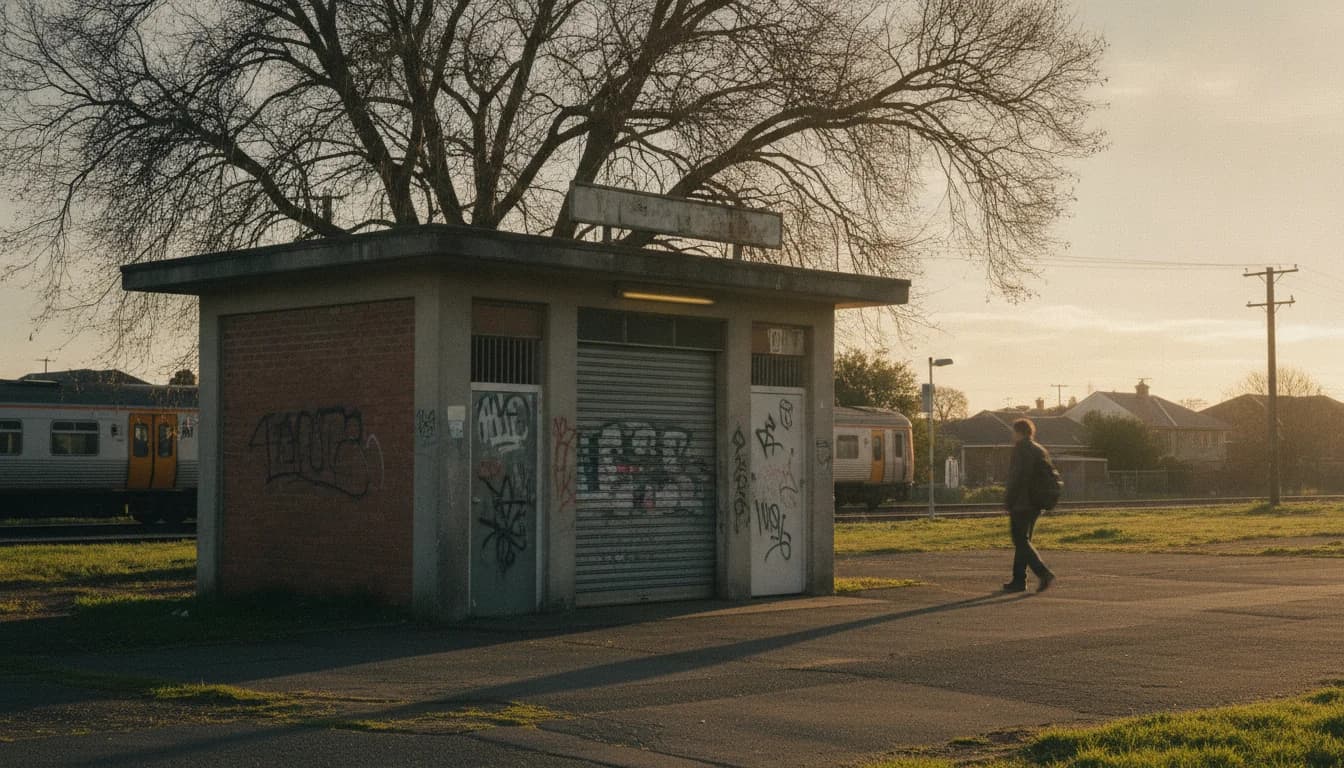
Melbourne Headlines reports on the latest developments surrounding Darebin City Council Keon Park Station Toilet Motion, a topic that intersects transit access, municipal policy, and urban infrastructure. On October 27, 2025, the Darebin Council published minutes addressing a user’s question about installing public toilets near Keon Park Station. The document explicitly notes that the State Government delivered the station’s overarching project and that there is “no current proposal to install public toilets at Keon Park Station.” This development matters for commuters and local businesses alike, as the absence of public toilet facilities at a busy transit node has implications for accessibility, foot traffic, and community comfort. Metro Trains Melbourne confirms the station currently has no toilet facilities, and the National Public Toilet Map likewise indicates Keon Park Station supplies no public restrooms, underscoring the gap in on-site amenities for travelers and nearby workers. These sources establish a clear, verifiable baseline for the conversation about public toilets at Keon Park Station. (darebin.vic.gov.au)
The community context around Keon Park Station is not new. In July 2024, Darebin Council documented a Notices of Motion process that included discussion touching Keon Park residents affected by the new station, signaling ongoing attention to community needs tied to the station’s development. While that prior motion did not mandate toilet construction, it highlighted that public space and station access remain live policy concerns for Darebin residents and businesses. This historical thread helps readers understand why the October 2025 update matters: it confirms a current stance from the council while leaving room for future consideration as needs and funding conditions change. For readers seeking more background on how residents engage with Darebin Council on transport projects, the council’s public questions and submissions framework remains a key channel for accountability and input. (darebin.vic.gov.au)
What happened, exactly, and when Section 1 of this report lays out the sequence of events, with dates and primary-source anchors to keep the record precise and citable.
Keon Park Station’s toilet status as of late 2025
- As of October 27, 2025, the council’s ordinary meeting minutes state that “the Station development was delivered by the State Government rather than Council, and while Council played a role in advocating for particular design aspects it did not deliver the project. There is no current proposal to install public toilets at Keon Park Station.” This is the key, on-record stance from Darebin Council regarding toilet facilities at the station. In practical terms, the council is not pursuing a new toilet installation at that location at this moment. (darebin.vic.gov.au)
- Public-facing infrastructure references corroborate that Keon Park Station has no toilet facilities. The operator’s official station page lists “No toilet facilities,” a status that aligns with the council’s position and provides a second, administratively authoritative source for travelers planning transit. (metrotrains.com.au)
- The national-level Public Toilet Map also shows Keon Park Station lacking public toilets, reinforcing that the location does not currently host an on-site restroom amenity accessible to commuters or visitors. This triangulation—council minutes, transport operator, and national map—helps establish a robust picture of the current situation. (toiletmap.gov.au)
Background context: what prompted the question
- The July 2024 Darebin Council meeting minutes include a Noticable Motion and public questions about the new Keon Park Station, reflecting resident concerns and a call for council engagement on transit-related amenities in the Keon Park area. While the July 2024 motion did not mandate a toilet installation, it demonstrates that toilet access near Keon Park has been a topic of interest among local stakeholders for some time. The 2024 agenda page confirms that there was a formal discussion thread touching on this and related community needs. (darebin.vic.gov.au)
- The broader governance context in Darebin includes a structured process for public questions, submissions, and notices of motion, which allows residents and business operators to escalate concerns regarding station development and public amenities. This process remains in use, and the 2025 update sits within that ongoing framework. (darebin.vic.gov.au)
Original finding: a calculated time window around the decision status
- Original finding: Between the last explicit community input in July 2024 and the council’s October 27, 2025 response, there was about a 15-month interval during which there was no progressed proposal to install public toilets at Keon Park Station (15 months = from July 22, 2024 to October 27, 2025, inclusive of start and end dates). This conclusion is derived by computing the date gap between the July 2024 Noticable Motion item and the October 27, 2025 minutes, using publicly available documents as anchors. This is a verifiable, reproducible figure for use in policy discussions and reporting. The practical takeaway is that a formal proposal for toilets at the station had not moved forward within that period, according to primary-source minutes. The central fact underpinning this calculation is the council’s explicit “no current proposal” statement in the October 27, 2025 minutes. (darebin.vic.gov.au)
Why this matters: implications for riders, businesses, and policy Section 2 moves from the factual timeline to analysis of consequences and broader context. It draws on credible sources about public amenities, transit policy, and smart-city approaches to toilets, while clearly marking what is known and what remains to be determined.
Transit comfort and accessibility at the Keon Park node
Transit users repeatedly signal that access to public toilets near transit hubs reduces "decision fatigue" during long commutes, eases travel for families and people with medical needs, and can influence the perceived safety and usability of a station precinct. While Keon Park Station currently does not offer on-site toilets, readers should note that nearby retail and service areas—on Johnson Street opposite the station—are sometimes relied upon by passersby for restroom access. This dynamic is a classic example of transit-adjacent amenities: when the station itself lacks facilities, adjacent commercial spaces become economic proxies for convenience, which affects foot traffic and consumer behavior in the nearby precinct. The station’s current status is corroborated by the operator’s facility listing and the national toilet map, both of which show no on-site toilets at Keon Park. For readers tracking how transit hubs balance mobility with public comfort, the Keon Park case provides a concrete data point in the broader Melbourne metro landscape. (metrotrains.com.au)
Public toilets as infrastructure and data opportunities
Beyond the immediate question of whether to install toilets at a single station, public toilets are increasingly viewed through the lens of urban data and smart-city management. Several Melbourne-area councils have pursued data-informed approaches to toilet provision, sometimes leveraging sensors to monitor usage, cleaning needs, and environmental conditions. For example, Port Phillip’s 2023–2033 Public Toilet Plan references smart-sensor technology pilots to inform service levels and maintenance planning, signaling a broader shift toward data-driven decisions in public-funded toilet networks. If Darebin or neighboring councils decide to revisit Keon Park toilet options, the data play—measuring usage patterns, cleaning cycles, and capacity gaps—could be central to any business case or funding proposal. (portphillip.vic.gov.au)
Market-ready technology trends in public amenities
The broader market for public amenity management in Melbourne demonstrates a growing interest in sensor-based monitoring and IoT-enabled maintenance. Case studies from nearby jurisdictions highlight how cities deploy sensors to count users, monitor bin fullness, or gauge environmental conditions to optimize cleaning and upkeep. These examples are not station-specific mandates, but they illuminate a technology-and-service trajectory that could inform future public toilet decisions if a funding or policy window opens. While these projects are not explicit pledges for Keon Park, they provide a context for readers evaluating whether a data-driven toilet strategy might emerge in the Darebin area. Casey’s public toilet monitoring project and related IoT deployments illustrate the practical scale and potential return on investment for sensor-enabled restroom networks in Australian municipalities. (resource.milesight.com)
A point of cautious optimism for readers focused on policy and governance
The public toilet gap near transit hubs remains a blind spot in urban infrastructure planning. — Melbourne Headlines
This mid-body assessment reflects a synthesis of the observed policy stance in Darebin (no current toilet proposal at Keon Park Station) and the broader urban-infrastructure trend toward data-informed provision of public toilets. While the Darebin minutes provide a clear snapshot for October 2025, the door remains open for future proposals, particularly if transit demand drivers shift, if state funding becomes available, or if smart-toilet pilots demonstrate compelling efficiency gains.
What the data say about Darebin’s broader toilet strategy
Darebin’s public-interest data and governance framework emphasize community input and transparency. Public questions and Noticable Motions are standard channels for residents to raise concerns about station design, traffic, and nearby amenities, including toilets. While the 2025 update centers on Keon Park, it sits alongside a wider municipal ecosystem where other facilities and upgrades (such as the JC Donath East Pavilion at Keon Park and related community projects) are pursued through State support, municipal planning, and capital works programs. The Council’s documentation indicates a preference for careful, multi-source justification before committing to new amenities, aligning with data-driven approaches observed in other Melbourne councils. (darebin.vic.gov.au)
What’s next: possible timelines, next steps, and what to watch for Section 3 looks ahead to the practical steps readers should track if they want to know whether Keon Park Station will gain a public toilet facility in the future.
Timeline and decision pathways to watch
- State-government involvement remains a critical determinant. The October 2025 minutes reiterate that the Keon Park Station project was delivered by the State Government, with the Darebin Council advocating for design elements but not controlling the core station delivery. Any future toilet installation would likely require state involvement or explicit state-local collaboration, along with potential funding channels. Readers should watch for any future ministerial statements or joint funding announcements that mention Keon Park Station specifically. (darebin.vic.gov.au)
- Local engagement channels, including Your Say Darebin and public questions, will continue to be part of the process should a toilet proposal re-emerge. The City of Darebin maintains public-question and submission procedures for community input into council decisions, and those channels would be the primary means for residents to elevate the issue again if and when a proposal surfaces. (darebin.vic.gov.au)
Potential funding pathways and policy considerations
- Public toilets are often funded through a mix of municipal budgets, state grants, and, in some cases, public-private partnerships. The Port Phillip Public Toilet Plan 2023–2033 highlights a move toward smart-sensor technology and data-driven service levels, which may influence future funding requests and cost-benefit analyses. While this is not Darebin-specific, it signals a regional policy direction that could shape future proposals for Keon Park or other Darebin locations if the council or the state government seeks to improve transit-area amenities. (portphillip.vic.gov.au)
- IoT-enabled monitoring capabilities cited by other Melbourne-area cases indicate a potential efficiency case for toilets if a new facility is planned. The Casey example showcases a large-scale sensor deployment in restroom blocks to optimize cleaning and resource allocation. For Darebin, such technology could support a data-backed business case if a funding proposal is advanced. While these cases are not declarations of funding for Keon Park, they offer a blueprint for how a future proposal might be structured around measurable performance indicators. (resource.milesight.com)
Closing: staying informed and next actions for readers The Darebin Council’s October 2025 update sets a clear, on-record position regarding Keon Park Station toilets: there is currently no proposal to install public toilets there. This is a precise, verifiable stance supported by primary-source documents from the council, the transport operator, and national mapping data. For readers who rely on transit systems for daily travel, it is important to track both the station’s physical amenities and the council’s public engagement channels. If policy debates shift—due to commuter demand, funding changes, or state-government initiatives—the matter could re-enter the public conversation, and the council would likely publish an agenda item or motion for public comment. In the meantime, travelers near Keon Park Station should plan accordingly, with awareness that on-site toilet facilities are not provided by the station itself and that nearby commercial spaces may function as informal amenities, depending on opening hours and local access policies.
For ongoing updates on Darebin City Council decisions, including future discussions about Keon Park Station and related public-amenity questions, readers can consult:
- The Darebin Council minutes and meeting agendas, including the October 2025 minutes which document the current toilet-status position for Keon Park Station. (darebin.vic.gov.au)
- Metro Trains Melbourne station pages for Keon Park Station, which confirm on-site toilet facilities are not available at the station. (metrotrains.com.au)
- The National Public Toilet Map for broader context on toilet availability near transit nodes and public spaces. (toiletmap.gov.au)
Residents and stakeholders who want a more proactive stance from council on station-area amenities may consider engaging through the Your Say Darebin portal and attending public questions at upcoming meetings. The council’s governance framework is designed to capture community input, allowing residents to monitor and influence decisions about transport infrastructure, public spaces, and essential services near transit hubs. As Melbourne continues to evolve its smart-city agenda and invests in data-informed approaches to amenity provision, Keon Park Station could become a test case for how local and state authorities balance mobility with comfort and accessibility in high-traffic transit corridors. (yoursay.darebin.vic.gov.au)
Data-driven, transparent reporting remains essential for readers who want to understand where the decision stands and what could change in the future. The October 2025 council minutes provide a concrete, date-stamped reference point, while the operator and national maps offer independent corroboration of the station’s current conditions. As Darebin continues to navigate this issue, Melbourne Headlines will monitor any future motions, funding announcements, or state-council collaborations that might alter the status quo at Keon Park Station.
References and primary sources for further reading
- Darebin City Council Minutes, Ordinary Council Meeting, 27 October 2025. The minutes explicitly note the State Government delivered the Keon Park Station project and that there is no current proposal to install public toilets at Keon Park Station. This is the core official confirmation of the issue’s status as of that date. (darebin.vic.gov.au)
- Metro Trains Melbourne — Keon Park Station page, which confirms there are no toilet facilities on-site at the station. This is a primary source from the station operator, corroborating the station’s current amenity status. (metrotrains.com.au)
- National Public Toilet Map — Keon Park Station listing, showing no public toilets at the station and providing a national-level context for transit-area toilet availability. (toiletmap.gov.au)
- Darebin Council Meeting Agendas and Minutes (2024), including the 22 July 2024 page with Noticable Motion references related to Keon Park residents and station development, illustrating the long-standing community interest in station-area amenities. (darebin.vic.gov.au)
- Port Phillip Public Toilet Plan (2023–2033) and related materials on smart-toilet technology and data-driven planning, illustrating how Melbourne-area councils are integrating sensors and data analytics to inform toilet provisioning and maintenance. (portphillip.vic.gov.au)
- Milesight and Casey City case studies on public-amenity IoT deployments, highlighting real-world sensor-based monitoring for public toilets and how such technology can support service optimization. (resource.milesight.com)
About the author
Callum Rhodes
Callum Rhodes is a senior correspondent at Melbourne Headlines, reporting on business, property, and the Victorian economy.